
Tuesday, May 31, 2016

150 facts for 150 years of the London Tube

Today it is 150 years since the first Tube journey. Here’s a fascinating fact for each year of its operation:
The visionaries
Charing Cross Jubilee Line overrunOne of the leading visionaries of underground railways was Londoner Charles Pearson (1793-1862), who first envisaged a Fleet Valley rail tunnel in 1845. Pearson also campaigned for the removal of an inscription on the Monument blaming the Great Fire of London on Catholics and the overturning of the ban on Jews becoming brokers in the City of London.
John Fowler (1817-98) was the man tasked with designing the engineering solutions to Pearson’s idea for the first underground railway. Fowler’s other works include the Forth Railway Bridge.
Oxford Circus station was designed by Harry Bell Measures (1862-1940), who established his career by designing some of the grandest homes in the capital.
The architect who engineered most of the District line was John Wolfe-Barry (1836-1918), who also designed Tower Bridge.
In 1843 the Thames Tunnel was completed and opened. It was designed by Marc Brunel (Isambard Kingdom’s father) and was the first tunnel ever to be built under a navigable river. It’s now part of the London Overground line.
Tube Firsts
  • The journey of the first Tube train took place on 9 January 1863.
  • The first Tube line was built and financed by a private company, the Metropolitan Railway.
  • The Tube’s first escalator was installed at Earl’s Court in 1911, featuring a diagonal finish to the stairway, meaning the right  foot reached the top moments before the left.
  • In 1907 a spiral escalator opened at Holloway Road.
Getting bigger
In 1884 there were over 800 trains running around all or part of the Inner Circle every day.
A full journey on the City and South London Railway (now part of the Northern Line), from Stockwell to the City, took just 18 minutes.
Between 1891 and 1893 five  more Tube railways under London were authorised by Parliament.
In 1896 the Glasgow District Subway opened. It was the  only complete underground  railway opened in the UK outside  of London.
Charing Cross Jubilee Line platformThe Waterloo and City line was the only other line to be built before the turn of the century.
The Great Northern and City line (between Moorgate and Finsbury Park) was mostly completed by 1902.
The tunnels on the Central line twist and turn because they follow the curves of London’s medieval street plan.
There is a prevalent north/south divide on the Underground; less than 10 per cent of stations are south of the Thames.
The Underground was funded entirely by private companies  until the 1930s.
Building works
  • It took 21 years (from 1863 to 1884) to complete the Inner Circle of tube lines in central London.
  • London’s current Crossrail development is Europe’s biggest construction project, as well as its most expensive.
  • If completed on time it will have taken nine years for Crossrail to be completed. Just 70 years after it was first proposed.
  • Each tunnel-boring machine for Crossrail costs £10m and the trains will cost another £1bn.
  • Kennington is the only surviving City and South London Railway station that remains close to its original condition, still featuring a domed roof.
  • Funding for a deep-level “Route C” line, better known as the Victoria line, was approved in 1955.
  • The grand opening of the  Victoria line, or “London’s Pride”,  was on 7 March 1969.
  • Queen Elizabeth II was the first reigning monarch to take the Tube, when she took the inaugural ride on the Victoria line from Green Park.
Accidents  and incidents
The first accidents on the underground occurred within a couple of months of opening in 1863, involving slow-moving collisions at Farringdon Street station.
The space below tube tracks are colloquially known as “suicide pits” as they help reduce the chance of death or serious injury should someone jump in front  of a train.
Around 50 passengers a year commit suicide on the Underground, however the Jubilee line is the only line to feature protective screens along the platforms.
Smoking was  finally banned across  the Tube network  following the King’s  Cross fire in November 1987, which killed 31 people.
Nicknames
When the Circle Line opened in 1884, the experience of riding it was described in The Times as “a form of mild torture”.
The “Tube” became a proper name for the first time in the early 1900s, after the Central London Railway (now the Central Line) was nicknamed the “Twopenny Tube”.
The “Twopenny Tube” nickname was conceived by the Daily Mail, five days after it opened.
The claustrophobic carriages on the early underground trains became known as “padded cells”.
Going both ways
In 1903 the Central London  line became the first railway in Britain to be worked entirely by multiple-unit trains – meaning the trains no longer needed to be turned around when they reached each end of the line.
By 1905 all the Tube lines had adopted multiple-unit trains.
Shopping
The “Twopenny Tube” line  significantly boosted profits to shops based around Oxford Street and Regent Street.
In 1909 Selfridges department store lobbied (unsuccessfully) to  get Bond Street station renamed after itself.
More successful was Brent Cross. Brent station was named after the shopping centre when it opened nearby in 1976.
The Central London Railway released a ladies only Christmas shopping ticket as a special promotion in 1912.
First World War
During the First World War, women began to make up staff shortages on the Underground.
When Maida Vale station opened on 6 June 1915 it was entirely staffed by women.
By the end of 1917 the Metropolitan Railway had 552 women on its staff.
Police reports of German bomb raids on London in 1917 estimated that 300,000 people were taking shelter in Tube stations.
A white marble memorial at Baker Street station commemorates the 137 Metropolitan Railway employees killed during the First World War.
The extension of the Piccadilly line northwards was largely down to passenger pressure; In 1923, a 30,000-signature petition was delivered to the Ministry of Transport.
Design
  • In the 1860s only basic signage – the station name and exit – was provided on the Underground.
  • One of the first rail maps, produced by the District line in 1892, featured the slogan “Time Is Money” on the cover. 
  • The Tube’s world-famous red  circle logo, known as the “roundel”, first appeared in 1908.
  • Around 60 stations had the Metropolitan line’s red diamond instead of the “roundel” between 1919 and the 1970s.
  • The Underground Sans font, still used in a modified form for all the Tube’s posters and design, was created by Edward Johnston in 1916.
  • In 1907 a photographic survey was taken of all station exteriors in order to establish ways in which a more uniform design style could be achieved.
  • Etiquette posters warning  people to move down the car and to let passengers off first have been produced since the early years of the Tube, some by celebrated cartoonist George Morrow.
  • The Victoria line commissioned artists to produce original tile motifs for each station, including the seven trees which give Seven Sisters its name.
The map
The first free Underground map was released in 1908, a joint marketing enterprise produced collaboratively by the various private companies which ran the separate lines.
The classic diagrammatic Underground map designed by Harry Beck was first produced in 1933, inspired by electrical circuit diagrams.
The map was originally offered to the Underground by Harry Beck in 1931, but it was rejected as it was considered too radical for the public.
Harry Beck was paid 10 guineas, or £10.50, for his Tube map design.
Beck spent two years pestering the Underground to print a trial run – which was enthusiastically received by Londoners.
Beck remained very involved with changes and updates to his map for over 25 years until eventually falling out with London Transport.
In 1959 his name was removed from the map, until the 1990s, when he was once again acknowledged as its creator and “H.C. Beck” reappeared on the large-format station maps.
In 2006 the London Underground map came second in a BBC competition to find the public’s favourite British design of the 20th century.
In 2009 the angular representation of the river Thames was briefly removed from the map, but quickly replaced after a public outcry.
Property
Chiltern Court, the largest apartment block in London, was opened over Baker Street station in 1929. You can buy a three-bed flat there today for £1.1m.
From 1933, London Transport was responsible for an area of 2,000 square miles within a 20- to 30-mile radius of Charing Cross.
Once formed, London Transport inherited an underground railway network covering 227 miles and carrying some 415 million  passengers each year.
Mind the gap
The original recording of “Mind the gap” was made in 1968 featuring the voice of sound recordist Peter Lodge.
While most lines still use Peter Lodge’s recording of “Mind the gap”, others use a recording by voice artist Emma Clarke. The Piccadilly line uses the voice of Tim Bentinck, better known as David Archer from The Archers.
Art
Scottish sculptor Eduardo Paolozzi designed the mosaic murals at Tottenham Court Road station, which were completed in 1984.
In the 90s, due to a boom in  graffiti, the “silver” tube trains were replaced with the red,  white and blue painted ones still seen today.
Southwark Station’s blue  cone wall, built as part of the Jubilee line extension’s new  generation of stations, was inspired by an 1816 stage set for The Magic Flute.
Since 2003, musicians require a licence to busk on the Tube.
The ceramics on the City and South London Railway (now part of the Northern line) were inspired by the designs of artist William Morris.
Architects
Charles Holden is perhaps one of the most prominent station architects. He based Arnos Grove on Stockholm Public Library and Gants Hill was inspired by the Moscow Metro.
All 46 stations designed by  Leslie Green have distinctive tile patterns to help regular customers recognise them.
Green’s stations – such as Covent Garden – were all steel-clad to allow premises to be built on top of them.
Sir Norman Foster designed Canary Wharf station, which opened in 1999 as part of the Jubilee line extension.
Prices
The original trains had three different classes, costing three, four and six pence for a single journey.  l A single cash journey in Zone 1 now costs £4.50.
The Oyster card touch ticketing system was introduced in 2002.
If you paid a full cash fare  between Covent Garden and Leicester Square (0.16 miles) it works out at over £28-a-mile.
Biggest, longest, lift-iest
Each year, every Tube train travels 114,500miles/184,269km.
The average speed of a train is 33km/20.5 miles per hour.
Only 45 per cent of the network is actually in tunnels.
There are 426 escalators. Waterloo has the most: 23.
The total number of lifts, including four stair lifts, on the Underground network is 164.
The deepest lift shaft is at Hampstead station and is 55.2m.
The shortest lift shaft is at King’s Cross and is just 2.3m.
The total number of carriages in the Underground’s fleet is 4,134.
The total number of stations currently served is 270.
The total number of staff on the Underground is approximately 19,000.
Baker Street is the station with the most platforms: 10.
The long and  short of it
The total length of the Tube  network is 402km/249 miles.
The longest continuous tunnel runs between East Finchley and Morden (via Bank) and is 27.8km/17.25 miles long.
The longest distance between two stations is between Chesham and Chalfont and Latimer on the Metropolitan line, which are  6.3km apart.
The shortest distance between two stations is from Leicester Square to Covent Garden on the Piccadilly line, which are a mere 300m apart.
The longest journey you can take without a change is 59.4km from West Ruislip to Epping on the Central line.
The longest escalator on the  network is at Angel and is 60m long, with a vertical rise of 26.5m.
The shortest escalator is at Stratford, taking passengers up  just 4.1m.
The deepest station below street level in central London is Bank, which is 41.4m deep.
In outer London, Hampstead is the deepest station below street level, at 58.5m.
Passenger numbers
The first-ever day of public service was enjoyed by 40,000 passengers.
In 1908, the first full year of operation for all three lines, the Hampstead Tube (now part of the Northern Line) carried 25 million passengers, the Bakerloo 28 million and the Piccadilly 34.5 million.
Passenger numbers grew rapidly and by 1918 the Underground was carrying 70 per cent more people than in 1914.
Currently 1,107 million passengers are carried every year.
The busiest station in London is Waterloo, which has 57,000 people entering during the three-hour morning peak.
82 million passengers travel through Waterloo each year.
During 2011/12, London Underground carried a record number of passengers, with 1.171 billion journeys made. This is 64 million more than in 2010/11.
Speeds
In central London, trains cannot drive faster than 30-40mph  because of the short distances  between stations.
The Victoria line can reach speeds of up to 50mph because the stations are further apart.
The Metropolitan line has the fastest train speeds, sometimes reaching over 60mph.
Ghosts
A prototype smokeless locomotive built in 1861 by Robert Stephenson and Co never made it into service, earning it the nickname “Fowler’s Ghost”.
Disused stations, known as “ghost” stations, such as those at Aldwych, Down Street and Lord’s, often find alternate work as film and TV sets.
A ghost named Annie Naylor, a dead milliner, aka the “Screaming Spectre”, is said to haunt Farringdon station.
Likewise, actor William Terris “haunts” Covent Garden.
Second World War
  • Rapid expansion of the Underground services into London’s suburbs throughout  the 30s were brought abruptly to  a halt with the outbreak of the Second World War.
  • The Underground was central to evacuating children and expectant mothers from London to the countryside in 1939.
  • Within a couple of days, London Transport successfully evacuated 600,000 vulnerable Londoners.
  • Brompton Road station on the Piccadilly line, which was closed in 1934, was converted into an underground Operations Room  for London’s anti-aircraft control during the war.
  • During the war, signs warning passengers to carry their gas marks were on display at every Underground station.
  • Despite having been previously used as shelters in 1917, the government felt that the Underground should be used for transport, not shelter. Posters were put up warning passengers that Underground stations “must not be used as air-raid shelters”.
  • On 7 September 1940, the East End experienced the first of many heavy bombing raids. People rushed to the Underground stations and staff were unable to resist.
  • Many people got round the Tube sheltering ban by buying cheap penny travel tickets and then  refusing to leave the platforms.
  • Trains continued to run throughout the blitz, leading to especially crowded stations mixed with travellers and those seeking shelter.
  • The press described those sheltering in the Underground as “Tubites”; London Transport called them “squatters”.
  • It wasn’t long before around 177,000 people were sheltering in the Underground’s deep-level stations every night.
  • “Droppers” would get into the station early and drop items of clothing against the wall to reserve the prime spots, which would then be sold for up to half a crown each.
  • Some communities of shelterers on the Underground set up committees and newsletters to campaign for better facilities.
  • On 8 October 1940 the government announced a U-turn and ended the unenforceable ban on sheltering in the Tube.
  • For Christmas 1940, London Transport staff distributed over 11,000 toys, presented by America’s Air Raid Relief Fund to children sheltering in stations.
  • Numbered bunk beds and a ticketing system were quickly installed to reduce queuing and stop “droppers”.
  • By the end of the war there were over 22,000 beds installed in Underground stations.
  • A popular war-time addition to the Underground was the “Tube Refreshment’s Service” which distributed seven tons of food to those sheltering every night.
  • Between September 1940 and May 1941, 198 people were killed when Tube shelters were hit directly by bombs.
  • One of the worst bombing incidents to affect the Underground shelters was on 14 October, when a bomb pierced the road surface, killing 64 people sheltering on the platform below.
  • On 13 January 1941, Bank station was hit, killing 56 people. Details of the incident were strictly censored.
  • The worst single incident to occur in London during the war was on 3 March 1943, when 173 people were crushed to death in a stairwell at Bethnal Green station – not a single bomb was dropped on the capital that night.
  • Around 200 London Transport workers were killed on duty during World War Two.
  • Despite a ban on geographic transport maps during the war, the Tube map was still permitted, presumably because it wouldn’t have been much help to Nazi paratroopers.
Nature
London Underground manages about 10 per cent of green spaces in London, playing host to everything from deer to grass snakes.
It has been estimated that around half a million mice are living across the Underground network.
The mosquitoes that live in the Tube tunnels have evolved into a unique species known for its voracious biting. They were named Culex pipiens molestus by biologists.
The website “Animals on the Underground” has made 35 different animals shapes from Beck’s Tube map.
Events
In 1956, to fill staff shortages, London Transport began to directly recruit in Barbados and Jamaica.
By 1969 over 4,000 staff from the West Indies had been recruited by London Transport.
The Tube celebrated its centenary in 1963 with a series of events including a parade of underground trains at Neasden depot.
In 1978 Hannah Dadds became the first woman to be employed as an Underground train driver.
The Tube usually only runs for 24 hours during New Year, however it also stayed open all night for the 2012 Olympic opening and closing ceremonies.
Three babies have been born in the London Underground. The most recent was a boy, born in December 2008.
Monday, May 30, 2016

A brief history of the London Underground


London Underground milestones

1843
Constructed by Sir Marc Brunel and his son Isambard, the Thames Tunnel opens
1863
On 10 January, The Metropolitan Railway opens the world's first underground railway, between Paddington (then called Bishop's Road) and Farringdon Street
1868
The first section of the Metropolitan District Railway, from South Kensington to Westminster (now part of the District and Circle lines), opens
1869
The first steam trains travel through the Brunels' Thames Tunnel
1880
Running from the Tower of London to Bermondsey, the first Tube tunnel opens
1884
The Circle line is completed
1890
On 18 December, The City and South London Railway opens the world's first deep-level electric railway. It runs from King William Street in the City of London, under the River Thames, to Stockwell
1900
The Prince of Wales opens the Central London Railway from Shepherd's Bush to Bank (the 'Twopenny Tube'). This is now part of the Central line
1902
The Underground Electric Railway Company of London (known as the Underground Group) is formed. By the start of WWI, mergers had brought all lines - except the Metropolitan line
1905
District and Circle lines become electrified
1906
Baker Street & Waterloo Railway (now part of the Bakerloo line) opens and runs from Baker Street to Kennington Road (now Lambeth North). Great Northern, Piccadilly & Brompton Railway (now part of the Piccadilly line) opens between Hammersmith and Finsbury Park
1907
Charing Cross, Euston & Hampstead Railway (now part of the Northern line) opens and runs from Charing Cross to Golders Green and Highgate (now Archway). Albert Stanley (later Lord Ashfield) is appointed General Manager of the Underground Electric Railway Company of London Limited
1908
The name 'Underground' makes its first appearance in stations, and the first electric ticket-issuing machine is introduced. This year also sees the first appearance of the famous roundel symbol
1911
London's first escalators are installed at Earl's Court station
1929
The last manually-operated doors on Tube trains are replaced by air-operated doors
1933
  • The Underground Group and the Metropolitan Railway become part of the London Passenger Transport Board, taking control of all the Capital's railway, bus, tram, trolleybus and coach services
  • Harry Beck presents the first diagram of the Underground map
1940
Between September 1940 and May 1945, most Tube station platforms are used as air raid shelters. Some, like the Piccadilly line, Holborn - Aldwych branch, are closed to store British Museum treasures
1948
The London Passenger Transport Board was nationalised and now becomes the London Transport Executive
1952
The first aluminium train enters service on the District line
1961
Sees the end of the steam and electric locomotive haulage of London Transport passenger trains
1963
The London Transport Executive becomes the London Transport Board, reporting directly to the Minister of Transport
1969
The Queen opens the Victoria line
1970
The London Transport Executive takes over the Underground and the Greater London area bus network, reporting to Greater London Council
1971
  • The last steam shunting and freight locomotive is withdrawn from service
  • The Victoria line extends to Brixton
1975
A fatal accident on the Northern line at Moorgate kills 43 people. New safety measures were introduced
1977
The Queen opens Heathrow Central station (Terminals 1 2 3) on the Piccadilly line
1979
The Prince of Wales opens the Jubilee line
1980
A museum about the birthplace of modern urban transportation, called Brunel Engine House, opens to the public
1983
Dot matrix train destination indicators introduced on platforms.
1984
The Hammersmith & City and the Circle lines convert to one-person operation
1986
The Piccadilly line is extended to serve Heathrow Terminal 4
1987
A tragic fire at King's Cross station kills 31 people
1989
New safety and fire regulations are introduced following the Fennell Report into the King's Cross fire
1992
The London Underground Customer Charter is launched
1993
  • Reconstruction work on Angel station ended
  • Work started on the extended Jubilee line from Green Park to Stratford
1994
  • Penalty fares are introduced
  • London Underground takes over the Waterloo & City line and responsibility for the stations on the Wimbledon branch of the District line from Putney Bridge to Wimbledon Park
  • Aldwych station, and the Central line branch from Epping to Ongar closes
1999
  • London Underground is restructured in preparation for Public Private Partnership
  • The extended Jubilee line opens, offering through services from Stanmore to Stratford
2003
  • The Oyster card is introduced
  • Busking is legalised
2005
52 people are killed in bomb attacks on three Tube trains and a bus on 7 July
2007
  • The Tube carries one billion passengers in a year for the first time
  • 14 former Silverlink stations transfer to London Underground (LU)
  • The East London line closes for rebuilding and extension as part of new London Overground network
2008
  • Piccadilly line extension to Heathrow Terminal 5 opens
  • Metronet transfers to TfL control
2009
  • The Circle line changes shape
  • LU is named Best Metro Europe
2010
  • The Queen visits Aldgate station
  • LU achieves Carbon Trust Standard
  • The first air-conditioned, walk-through Underground train runs on the Metropolitan line
  • Through services replace the Chesham shuttle
2011
  • A full fleet of brand new Victoria Line trains become operational;
  • Green Park becomes step-free to provide easier access to the Victoria, Piccadilly and Jubilee lines in time for the Olympics
The capital went underground on January 10th, 1863.
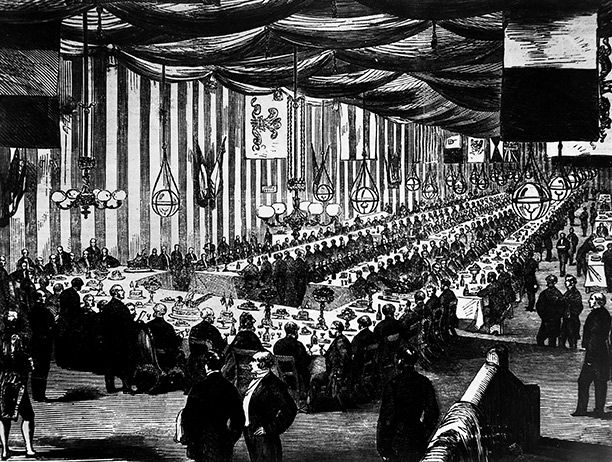
Train time tables: the banquet at Farringdon Street station to mark the opening of the Metropolitan Railway, from the 'Illustrated London News'. London Transport MuseumTrain time tables: the banquet at Farringdon Street station to mark the opening of the Metropolitan Railway, from the 'Illustrated London News'. London Transport MuseumWork on the world’s first underground railway started in 1860 when the Metropolitan Railway began building a tunnel more than three miles long from Paddington to Farringdon Street. It was largely financed by the City of London, which was suffering badly from horse-drawn traffic congestion that was having a damaging effect on business. The idea of an underground system had originated with the City solicitor, Charles Pearson, who had pressed for it for years. It was he who persuaded the City Corporation to put up money and he was probably the most important single figure in the underground’s creation. He died in 1862, only a few months before his brainchild came to life.
The first section linked the City with the railway stations at Paddington, Euston and King’s Cross, which had been built in the previous 30 years. The chief engineer was John Fowler, the leading railway engineer of the day, who would go on to create the Forth Bridge in Scotland. He did not come cheap and his Metropolitan Railway salary of £137,700 would be worth about £10 million today.
A deep trench was excavated by the ‘cut and cover’ method along what are now the Marylebone Road and the Euston Road and turning south-east beside Farringdon Road. Brick walls were built along the sides, the railway tracks were laid at the bottom and then the trench was roofed over with brick arches and the roads were put back on top, though the last stretch to Farringdon was left in an open, brick-lined cutting. Stations lit by gas were created at Paddington, Edgware Road, Baker Street, Great Portland Street, Euston Road and King’s Cross on the way to Farringdon, which was at ground level and was built, not entirely inappropriately as things turned out, on the former site of the City cattle market. W.E. Gladstone, who was Chancellor of the Exchequer at the time, and his wife Catherine were passengers on a trial trip in May 1862.
Built round the clock by shifts of navvies, the line had to avoid numerous water and gas pipes, drains and sewers. There was a problem when the noxious Fleet Ditch sewer flooded the works in Farringdon Road, but that was dealt with and on January 9th, 1863 the line’s completion was celebrated at a gathering of railway executives, Members of Parliament and City grandees including the lord mayor. The prime minister, Lord Palmerston, had declined his invitation, saying that at 79 he wanted to stay above ground as long as he could. Starting from Paddington, some 600 guests were carried in two trains along the line to Farringdon Street station, where a banquet was held, speeches made and due tribute paid to the memory of Charles Pearson. Music was provided by the Metropolitan Police band.
The line was opened to the public on the following day, a Saturday, and people flocked to try it out. More than 30,000 passengers crowded the stations and pushed their way into packed trains. The underground had been mocked in the music halls and derisively nicknamed ‘the Drain’. There were predictions that the tunnel’s roof would give way and people would fall into it, while passengers would be asphyxiated by the fumes, and an evangelical minister had denounced the railway company for trying to break into Hell.
In fact the railway was a tremendous success and The Times hailed it as ‘the great engineering triumph of the day’. In its first year it carried more than nine million passengers in gas-lit first-class, second-class and third-class carriages, drawn by steam locomotives that belched out choking quantities of smoke. The fact that the passengers were at first forbidden to smoke in the carriages was not much help.
Over the next two years the line was extended further east into the City to Moorgate and, in the other direction, to Hammersmith. Other lines were soon added to the growing network, deeper underground tunnelling was introduced and the steam trains were replaced by electric trains. The first underground electric railway, the City and South London, which ran from near the Bank of England under the Thames to the South Bank, opened in 1890. It was the first line to be called ‘the tube’ and the windowless carriages with their heavily upholstered interiors were popularly known as ‘padded cells’.
As far as the City was concerned, the corporation was able to sell its shares in the Metropolitan Railway at a profit and the underground did ease congestion for a time. A more lasting consequence was to make commuting far easier and so cause London to sprawl out even more from its centre, while the number of people actually living in the City itself declined sharply.
- See more at: http://www.historytoday.com/richard-cavendish/first-day-london-tube#sthash.Ti6T6Dgo.dpuf
The capital went underground on January 10th, 1863.
Train time tables: the banquet at Farringdon Street station to mark the opening of the Metropolitan Railway, from the 'Illustrated London News'. London Transport MuseumTrain time tables: the banquet at Farringdon Street station to mark the opening of the Metropolitan Railway, from the 'Illustrated London News'. London Transport MuseumWork on the world’s first underground railway started in 1860 when the Metropolitan Railway began building a tunnel more than three miles long from Paddington to Farringdon Street. It was largely financed by the City of London, which was suffering badly from horse-drawn traffic congestion that was having a damaging effect on business. The idea of an underground system had originated with the City solicitor, Charles Pearson, who had pressed for it for years. It was he who persuaded the City Corporation to put up money and he was probably the most important single figure in the underground’s creation. He died in 1862, only a few months before his brainchild came to life.
The first section linked the City with the railway stations at Paddington, Euston and King’s Cross, which had been built in the previous 30 years. The chief engineer was John Fowler, the leading railway engineer of the day, who would go on to create the Forth Bridge in Scotland. He did not come cheap and his Metropolitan Railway salary of £137,700 would be worth about £10 million today.
A deep trench was excavated by the ‘cut and cover’ method along what are now the Marylebone Road and the Euston Road and turning south-east beside Farringdon Road. Brick walls were built along the sides, the railway tracks were laid at the bottom and then the trench was roofed over with brick arches and the roads were put back on top, though the last stretch to Farringdon was left in an open, brick-lined cutting. Stations lit by gas were created at Paddington, Edgware Road, Baker Street, Great Portland Street, Euston Road and King’s Cross on the way to Farringdon, which was at ground level and was built, not entirely inappropriately as things turned out, on the former site of the City cattle market. W.E. Gladstone, who was Chancellor of the Exchequer at the time, and his wife Catherine were passengers on a trial trip in May 1862.
Built round the clock by shifts of navvies, the line had to avoid numerous water and gas pipes, drains and sewers. There was a problem when the noxious Fleet Ditch sewer flooded the works in Farringdon Road, but that was dealt with and on January 9th, 1863 the line’s completion was celebrated at a gathering of railway executives, Members of Parliament and City grandees including the lord mayor. The prime minister, Lord Palmerston, had declined his invitation, saying that at 79 he wanted to stay above ground as long as he could. Starting from Paddington, some 600 guests were carried in two trains along the line to Farringdon Street station, where a banquet was held, speeches made and due tribute paid to the memory of Charles Pearson. Music was provided by the Metropolitan Police band.
The line was opened to the public on the following day, a Saturday, and people flocked to try it out. More than 30,000 passengers crowded the stations and pushed their way into packed trains. The underground had been mocked in the music halls and derisively nicknamed ‘the Drain’. There were predictions that the tunnel’s roof would give way and people would fall into it, while passengers would be asphyxiated by the fumes, and an evangelical minister had denounced the railway company for trying to break into Hell.
In fact the railway was a tremendous success and The Times hailed it as ‘the great engineering triumph of the day’. In its first year it carried more than nine million passengers in gas-lit first-class, second-class and third-class carriages, drawn by steam locomotives that belched out choking quantities of smoke. The fact that the passengers were at first forbidden to smoke in the carriages was not much help.
Over the next two years the line was extended further east into the City to Moorgate and, in the other direction, to Hammersmith. Other lines were soon added to the growing network, deeper underground tunnelling was introduced and the steam trains were replaced by electric trains. The first underground electric railway, the City and South London, which ran from near the Bank of England under the Thames to the South Bank, opened in 1890. It was the first line to be called ‘the tube’ and the windowless carriages with their heavily upholstered interiors were popularly known as ‘padded cells’.
As far as the City was concerned, the corporation was able to sell its shares in the Metropolitan Railway at a profit and the underground did ease congestion for a time. A more lasting consequence was to make commuting far easier and so cause London to sprawl out even more from its centre, while the number of people actually living in the City itself declined sharply.
- See more at: http://www.historytoday.com/richard-cavendish/first-day-london-tube#sthash.Ti6T6Dgo.dpuf
The capital went underground on January 10th, 1863.
Train time tables: the banquet at Farringdon Street station to mark the opening of the Metropolitan Railway, from the 'Illustrated London News'. London Transport MuseumTrain time tables: the banquet at Farringdon Street station to mark the opening of the Metropolitan Railway, from the 'Illustrated London News'. London Transport MuseumWork on the world’s first underground railway started in 1860 when the Metropolitan Railway began building a tunnel more than three miles long from Paddington to Farringdon Street. It was largely financed by the City of London, which was suffering badly from horse-drawn traffic congestion that was having a damaging effect on business. The idea of an underground system had originated with the City solicitor, Charles Pearson, who had pressed for it for years. It was he who persuaded the City Corporation to put up money and he was probably the most important single figure in the underground’s creation. He died in 1862, only a few months before his brainchild came to life.
The first section linked the City with the railway stations at Paddington, Euston and King’s Cross, which had been built in the previous 30 years. The chief engineer was John Fowler, the leading railway engineer of the day, who would go on to create the Forth Bridge in Scotland. He did not come cheap and his Metropolitan Railway salary of £137,700 would be worth about £10 million today.
A deep trench was excavated by the ‘cut and cover’ method along what are now the Marylebone Road and the Euston Road and turning south-east beside Farringdon Road. Brick walls were built along the sides, the railway tracks were laid at the bottom and then the trench was roofed over with brick arches and the roads were put back on top, though the last stretch to Farringdon was left in an open, brick-lined cutting. Stations lit by gas were created at Paddington, Edgware Road, Baker Street, Great Portland Street, Euston Road and King’s Cross on the way to Farringdon, which was at ground level and was built, not entirely inappropriately as things turned out, on the former site of the City cattle market. W.E. Gladstone, who was Chancellor of the Exchequer at the time, and his wife Catherine were passengers on a trial trip in May 1862.
Built round the clock by shifts of navvies, the line had to avoid numerous water and gas pipes, drains and sewers. There was a problem when the noxious Fleet Ditch sewer flooded the works in Farringdon Road, but that was dealt with and on January 9th, 1863 the line’s completion was celebrated at a gathering of railway executives, Members of Parliament and City grandees including the lord mayor. The prime minister, Lord Palmerston, had declined his invitation, saying that at 79 he wanted to stay above ground as long as he could. Starting from Paddington, some 600 guests were carried in two trains along the line to Farringdon Street station, where a banquet was held, speeches made and due tribute paid to the memory of Charles Pearson. Music was provided by the Metropolitan Police band.
The line was opened to the public on the following day, a Saturday, and people flocked to try it out. More than 30,000 passengers crowded the stations and pushed their way into packed trains. The underground had been mocked in the music halls and derisively nicknamed ‘the Drain’. There were predictions that the tunnel’s roof would give way and people would fall into it, while passengers would be asphyxiated by the fumes, and an evangelical minister had denounced the railway company for trying to break into Hell.
In fact the railway was a tremendous success and The Times hailed it as ‘the great engineering triumph of the day’. In its first year it carried more than nine million passengers in gas-lit first-class, second-class and third-class carriages, drawn by steam locomotives that belched out choking quantities of smoke. The fact that the passengers were at first forbidden to smoke in the carriages was not much help.
Over the next two years the line was extended further east into the City to Moorgate and, in the other direction, to Hammersmith. Other lines were soon added to the growing network, deeper underground tunnelling was introduced and the steam trains were replaced by electric trains. The first underground electric railway, the City and South London, which ran from near the Bank of England under the Thames to the South Bank, opened in 1890. It was the first line to be called ‘the tube’ and the windowless carriages with their heavily upholstered interiors were popularly known as ‘padded cells’.
As far as the City was concerned, the corporation was able to sell its shares in the Metropolitan Railway at a profit and the underground did ease congestion for a time. A more lasting consequence was to make commuting far easier and so cause London to sprawl out even more from its centre, while the number of people actually living in the City itself declined sharply.
- See more at: http://www.historytoday.com/richard-cavendish/first-day-london-tube#sthash.Ti6T6Dgo.dpuf

Thursday, May 12, 2016

āŠŠāŠĻાāŠŪા āŠŠāŠ›ી āŠļેāŠķેāŠē્āŠļāŠŪાં āŠ°ોāŠ•ાāŠĢāŠĻા 'āŠ°āŠđāŠļ્āŠŊો' āŠ–ૂāŠēāŠķે

āŠŠāŠĻાāŠŪા āŠŠāŠ›ી āŠ§āŠĻાāŠĒ્āŠŊ āŠ­ાāŠ°āŠĪીāŠŊો āŠ…āŠĻે āŠāŠĻāŠ†āŠ°āŠ†āŠ‡ āŠŪાāŠŸે āŠļેāŠķેāŠē્āŠļāŠĻા āŠ•ાāŠ°āŠĢે āŠļāŠŪāŠļ્āŠŊા āŠĩāŠ§ી āŠķāŠ•ે āŠ›ે. āŠ˜āŠĢા āŠ§āŠĻિāŠ• āŠēોāŠ•ો āŠ‡āŠļ્āŠŸ āŠ†āŠŦ્āŠ°િāŠ•ાāŠĻા āŠŸાāŠŠુ āŠļેāŠķેāŠē્āŠļāŠŪાં āŠ°ોāŠ•ાāŠĢ āŠ§āŠ°ાāŠĩે āŠ›ે āŠ…āŠĻે āŠđāŠĩે āŠ† āŠ°ોāŠ•ાāŠĢ āŠĪāŠĨા āŠŽેāŠĻ્āŠ• āŠāŠ•ાāŠ‰āŠĻ્āŠŸāŠĻી āŠĩિāŠ—āŠĪો āŠœાāŠđેāŠ° āŠĨāŠˆ āŠķāŠ•ે āŠ›ે.āŠ† āŠēોāŠ•ો āŠķેāŠē āŠ•ંāŠŠāŠĻીāŠ“āŠŪાં āŠĄિāŠ°ેāŠ•્āŠŸāŠ° āŠ…āŠĨāŠĩા āŠķેāŠ°āŠđોāŠē્āŠĄāŠ° āŠ›ે. āŠ†āŠĩી āŠ•ંāŠŠāŠĻીāŠ“ āŠ‡āŠĻ્āŠŸāŠ°āŠĻેāŠķāŠĻāŠē āŠŽિāŠāŠĻેāŠļ āŠ•ંāŠŠāŠĻીāŠ“ āŠ…āŠĨāŠĩા āŠ†āŠ‡āŠŽીāŠļી āŠĪāŠ°ીāŠ•ે āŠ“āŠģāŠ–ાāŠŊ āŠ›ે āŠœેāŠ“ āŠļેāŠķેāŠē્āŠļ āŠ•ે āŠ…āŠĻ્āŠŊ āŠŸેāŠ•્āŠļ āŠđેāŠĩāŠĻ āŠĶેāŠķોāŠĻા āŠŽેāŠĻ્āŠ• āŠāŠ•ાāŠ‰āŠĻ્āŠŸāŠŪાં āŠŦંāŠĄ āŠ§āŠ°ાāŠĩે āŠ›ે.

āŠāŠ• āŠŸેāŠ•્āŠļ āŠŠ્āŠ°ોāŠŦેāŠķāŠĻāŠēે āŠ‡āŠŸીāŠĻે āŠœāŠĢાāŠĩ્āŠŊું āŠđāŠĪું āŠ•ે, "āŠ…āŠŪāŠĻે āŠļંāŠ­āŠĩિāŠĪ āŠēિāŠ• āŠĩિāŠķે āŠāŠēāŠ°્āŠŸ āŠ•āŠ°āŠĩાāŠŪાં āŠ†āŠĩ્āŠŊા āŠ›ે. āŠŪોāŠļેāŠ• āŠŦોāŠĻ્āŠļેāŠ•ાāŠĻા āŠ•િāŠļ્āŠļાāŠŪાં āŠŠāŠĢ āŠ†āŠĩું āŠœ āŠĨāŠŊું āŠđāŠĪું. āŠāŠ•્āŠŸિāŠĩિāŠļ્āŠŸ āŠđેāŠ•āŠ°્āŠļ āŠ…āŠĨāŠĩા āŠĻાāŠ°ાāŠœ āŠ•āŠ°્āŠŪāŠšાāŠ°ીāŠ“āŠ āŠŦોāŠĻ્āŠļેāŠ•ાāŠĻા āŠĄેāŠŸાāŠŽેāŠāŠŪાંāŠĨી āŠļેāŠķેāŠē્āŠļ āŠĩિāŠķેāŠĻી āŠŪાāŠđિāŠĪી āŠšોāŠ°ીāŠĻે āŠēિāŠ• āŠ•āŠ°ી āŠđોāŠŊ āŠĪેāŠĩી āŠķāŠ•્āŠŊāŠĪા āŠ›ે. āŠ…āŠŪāŠĻે āŠēાāŠ—ે āŠ›ે āŠ•ે āŠ† āŠŪાāŠđિāŠĪી āŠŠāŠđેāŠēેāŠĨી āŠāŠ•āŠĪ્āŠ° āŠ•āŠ°ાāŠ‡ āŠđāŠķે āŠ…āŠĻે āŠđāŠĩે āŠŸૂંāŠ• āŠļāŠŪāŠŊāŠŪાં āŠœાāŠđેāŠ° āŠĨāŠˆ āŠœāŠķે."

āŠŠāŠĪ્āŠ°āŠ•ાāŠ°ોāŠĻા āŠāŠ• āŠœૂāŠĨે āŠŠāŠĻાāŠŪા āŠļ્āŠĨિāŠĪ āŠ•ાāŠĻૂāŠĻી āŠŠેāŠĒી āŠŪોāŠļેāŠ• āŠŦોāŠĻ્āŠļેāŠ•ાāŠĻા āŠ•્āŠēાāŠŊāŠĻ્āŠŸ્āŠļāŠĻા āŠ°ોāŠ•ાāŠĢોāŠĻી āŠŪાāŠđિāŠĪી āŠœાāŠđેāŠ° āŠ•āŠ°ી āŠĪ્āŠŊાāŠ°āŠĨી āŠ† āŠ•ંāŠŠāŠĻી āŠŪિāŠĄિāŠŊાāŠŪાં āŠšāŠŪāŠ•ી āŠ›ે. āŠāŠ• āŠĩāŠ°િāŠ·્āŠ  āŠĩāŠ•ીāŠēે āŠœāŠĢાāŠĩ્āŠŊા āŠ•ાāŠŊāŠĶેāŠļāŠ°āŠĻું āŠ°ોāŠ•ાāŠĢ āŠ§āŠ°ાāŠĩāŠĪા āŠ•ેāŠŸāŠēાāŠ• āŠāŠĻāŠ†āŠ°āŠ†āŠ‡ āŠĪેāŠŪāŠĻી āŠ“āŠģāŠ– āŠ—ુāŠŠ્āŠĪ āŠ°ાāŠ–āŠĩાāŠŪાં āŠĻિāŠ·્āŠŦāŠģ āŠœāŠĩા āŠŽāŠĶāŠē āŠŦોāŠĻ્āŠļેāŠ•ા āŠļાāŠŪે āŠ•ેāŠļ āŠ•āŠ°āŠĩાāŠĻી āŠĪૈāŠŊાāŠ°ીāŠŪાં āŠ›ે.

āŠ‡āŠŸીāŠ āŠŽે āŠŸેāŠ•્āŠļ āŠŠ્āŠ°ેāŠ•્āŠŸિāŠķāŠĻāŠ°્āŠļ āŠļાāŠĨે āŠĩાāŠĪ āŠ•āŠ°ી āŠđāŠĪી. āŠĪેāŠŪāŠĢે āŠ•āŠđ્āŠŊું āŠ•ે āŠĪેāŠŪāŠĻા āŠ•્āŠēાāŠŊāŠĻ્āŠŸāŠĻે āŠŽીāŠ• āŠ›ે āŠ•ે āŠ†āŠĩāŠ•āŠĩેāŠ°ા āŠĩિāŠ­ાāŠ— āŠĶ્āŠĩાāŠ°ા āŠļેāŠķેāŠē્āŠļāŠŪાં āŠĪેāŠŪāŠĻા āŠ°ોāŠ•ાāŠĢ āŠ…āŠĻે āŠĄિāŠ°ેāŠ•્āŠŸāŠ°āŠķિāŠŠ āŠĩિāŠķે āŠĪāŠŠાāŠļ āŠĨāŠˆ āŠķāŠ•ે āŠ›ે. āŠ† āŠŠ્āŠ°ેāŠ•્āŠŸિāŠķāŠĻāŠ°્āŠļ āŠđāŠĩે āŠ•ાāŠĻૂāŠĻી āŠŽāŠšાāŠĩ āŠŪાāŠŸે āŠĪૈāŠŊાāŠ°ી āŠ•āŠ°ી āŠ°āŠđ્āŠŊા āŠ›ે.

āŠŸ્āŠ°āŠļ્āŠŸ āŠ…āŠĻે āŠŦાāŠ‰āŠĻ્āŠĄેāŠķāŠĻ āŠļ્āŠĨાāŠŠāŠĩાāŠŪાં āŠļેāŠķેāŠē્āŠļāŠĻા āŠ•ાāŠŊāŠĶા āŠŪāŠĶāŠĶāŠ°ૂāŠŠ āŠ›ે āŠĪāŠĨા āŠŽેāŠ°āŠ° āŠķેāŠ°્āŠļāŠĻા āŠ•ાāŠ°āŠĢે āŠĪેāŠĻા āŠĄિāŠ°ેāŠ•્āŠŸāŠ°્āŠļ āŠŠોāŠĪાāŠĻી āŠ“āŠģāŠ– āŠ›ુāŠŠાāŠĩી āŠķāŠ•ે āŠ›ે. āŠ†āŠĩી āŠļિāŠ•્āŠŊોāŠ°િāŠŸી āŠ•ોāŠ‡ āŠŪાāŠēિāŠ•āŠĻા āŠĻાāŠŪે āŠđોāŠĪી āŠĻāŠĨી.

āŠŠāŠ°ંāŠĪુ āŠļેāŠķેāŠē્āŠļ āŠŠ્āŠ°āŠŪાāŠĢāŠŪાં āŠ“āŠ›ું āŠŪāŠđāŠĪ્āŠĪ્āŠĩāŠĻું āŠŸેāŠ•્āŠļ āŠđેāŠĩāŠĻ āŠ›ે āŠ•ાāŠ°āŠĢ āŠ•ે āŠĪે āŠ°ાāŠœāŠ•ીāŠŊ āŠļ્āŠĨિāŠ°āŠĪાāŠŪાં āŠŠાāŠ›āŠģ āŠ›ે. āŠšાāŠ‡āŠĻીāŠ āŠ§āŠĻિāŠ•ોāŠ āŠŸેāŠ•્āŠļ āŠāŠĩોāŠ‡āŠĄāŠĻ્āŠļ āŠŸ્āŠ°ીāŠŸી āŠŸાāŠģીāŠĻે āŠ‡āŠĻ્āŠĄોāŠĻેāŠķિāŠŊાāŠŪાં āŠ°ોāŠ•ાāŠĢ āŠ•āŠ°āŠĩા āŠŪાāŠŸે āŠ˜āŠĢી āŠĩāŠ–āŠĪ āŠļેāŠķેāŠē્āŠļāŠĻો āŠ‰āŠŠāŠŊોāŠ— āŠ•āŠ°્āŠŊો āŠ›ે. āŠ­ાāŠ°āŠĪ āŠļેāŠķેāŠē્āŠļ āŠļાāŠĨે āŠĄિāŠŠ્āŠēોāŠŪેāŠŸિāŠ• āŠļંāŠŽંāŠ§ āŠ§āŠ°ાāŠĩે āŠ›ે āŠ…āŠĻે āŠĪેāŠĻે āŠ•્āŠ°ેāŠĄિāŠŸ āŠēાāŠ‡āŠĻ āŠŠૂāŠ°ી āŠŠાāŠĄેāŠēી āŠ›ે. āŠŠāŠ°ંāŠĪુ āŠŸેāŠ•્āŠļ āŠ…ંāŠ—ેāŠĻી āŠŪાāŠđિāŠĪી āŠŪાāŠŸે āŠŽંāŠĻે āŠĶેāŠķો āŠĩāŠš્āŠšે āŠ•ોāŠˆ āŠ•āŠ°ા āŠĻāŠĨી. āŠāŠ• āŠĩāŠ•ીāŠēે āŠœāŠĢાāŠĩ્āŠŊું āŠ•ે āŠ­ાāŠ°āŠĪ āŠļેāŠķેāŠē્āŠļ āŠļાāŠĨેāŠĻા āŠđાāŠēāŠĻા āŠļંāŠŽંāŠ§ોāŠĻો āŠ‰āŠŠāŠŊોāŠ— āŠ•āŠ°ીāŠĻે āŠŪાāŠđિāŠĪી āŠ•āŠĒાāŠĩી āŠķāŠ•ે āŠ›ે āŠ•ે āŠĻāŠđીં āŠĪે āŠĻāŠ•્āŠ•ી āŠĻāŠĨી. āŠĪેāŠŪાં āŠ•āŠĶાāŠš āŠŪોāŠŸા āŠēોāŠ•ોāŠĻા āŠĻાāŠŪ āŠĻ āŠđોāŠŊ āŠĪેāŠĩી āŠŠāŠĢ āŠķāŠ•્āŠŊāŠĪા āŠ›ે.

āŠ…āŠ•્āŠ·āŠŊ āŠĪૃāŠĪીāŠŊાāŠĻા āŠĶિāŠĩāŠļે āŠŠāŠĢ āŠļોāŠĻું āŠĻા āŠāŠģāŠ•્āŠŊું

āŠĶુāŠ·્āŠ•ાāŠģāŠĻી āŠēāŠŠેāŠŸāŠŪાં āŠ†āŠĩેāŠēા āŠ—્āŠ°ાāŠŪીāŠĢ āŠ­ાāŠ°āŠĪāŠŪાં āŠļોāŠĻું āŠ–āŠ°ીāŠĶāŠĩા āŠŪાāŠŸે āŠ°āŠļ āŠ˜āŠŸāŠĪાં āŠ…āŠ•્āŠ·āŠŊ āŠĪૃāŠĪીāŠŊાāŠ āŠļોāŠĻું āŠāŠģāŠ•āŠĩાāŠŪાં āŠĻિāŠ·્āŠŦāŠģ āŠ°āŠđ્āŠŊું āŠđāŠĪું. āŠŠાāŠ›āŠēા āŠĩāŠ°્āŠ·āŠĻી āŠĪુāŠēāŠĻાāŠ āŠ† āŠĩāŠ°્āŠ·ે āŠļોāŠĻાāŠĻા āŠĩેāŠšાāŠĢāŠŪાં 40 āŠŸāŠ•ા āŠ•āŠ°āŠĪાં āŠŠāŠĢ āŠĩāŠ§ાāŠ°ે āŠ˜āŠŸાāŠĄો āŠĻોંāŠ§ાāŠŊો āŠđāŠĪો.

āŠļોāŠĻાāŠĻા āŠ­ાāŠĩāŠŪાં 11 āŠŸāŠ•ાāŠĻા āŠĩāŠ§ાāŠ°ાāŠĻા āŠ•ાāŠ°āŠĢે āŠķāŠđેāŠ°ી āŠĩિāŠļ્āŠĪાāŠ°ોāŠŪાં āŠĪāŠĨા āŠŪેāŠŸ્āŠ°ો āŠķāŠđેāŠ°ોāŠŪાં āŠĩેāŠšાāŠĢ āŠŦ્āŠēેāŠŸ āŠœāŠģāŠĩાāŠˆ āŠ°āŠđ્āŠŊું āŠđāŠĪું. āŠļોāŠŪāŠĩાāŠ°ે āŠļોāŠĻાāŠĻી āŠ•િંāŠŪāŠĪ 10 āŠ—્āŠ°ાāŠŪ āŠĶીāŠ  āŠ°ૂ.30,200āŠĻી āŠ†āŠļāŠŠાāŠļ āŠđāŠĪી āŠœેāŠĻી āŠļāŠ°āŠ–ાāŠŪāŠĢીāŠ āŠŠાāŠ›āŠēા āŠĩāŠ°્āŠ·ે āŠ† āŠĶિāŠĩāŠļે āŠ­ાāŠĩ āŠ°ૂ.27,000 āŠđāŠĪો, āŠĪેāŠŪ āŠœ્āŠĩેāŠēāŠ°્āŠļ āŠ…āŠĻે āŠŽુāŠēિāŠŊāŠĻ āŠĄીāŠēāŠ°્āŠļ āŠœāŠĢાāŠĩે āŠ›ે.

āŠŠૂāŠĢે āŠļ્āŠĨિāŠĪ āŠŠીāŠāŠĻāŠœી āŠœ્āŠĩેāŠēāŠ°્āŠļāŠĻા āŠŪેāŠĻેāŠœિંāŠ— āŠĄિāŠ°ેāŠ•્āŠŸāŠ° āŠļૌāŠ°āŠ­ āŠ—ાંāŠ—ુāŠēીāŠ āŠœāŠĢાāŠĩ્āŠŊું āŠđāŠĪું āŠ•ે, "āŠ…āŠŪે āŠ…āŠ•્āŠ·āŠŊ āŠĪૃāŠĪીāŠŊાāŠĻા āŠĶિāŠĩāŠļે āŠļાāŠ°ા āŠĩેāŠšાāŠĢāŠĻી āŠ…āŠŠેāŠ•્āŠ·ા āŠ°ાāŠ–ી āŠđāŠĪી āŠ•ેāŠŪ āŠ•ે āŠ† āŠĪāŠđેāŠĩાāŠ° āŠ…āŠ—ાāŠ‰ āŠĩીāŠ•-āŠāŠĻ્āŠĄ āŠ†āŠĩāŠĪો āŠđāŠĪો. āŠ…āŠŪાāŠ°ે āŠĪ્āŠŊાં āŠŪુāŠēાāŠ•ાāŠĪી āŠĩāŠ§્āŠŊા āŠđāŠĪા, āŠŠāŠ°ંāŠĪુ āŠĩેāŠšાāŠĢāŠŪાં āŠĩāŠ§ાāŠ°ો āŠĨāŠŊો āŠĻ āŠđāŠĪો. āŠļોāŠĻાāŠĻા āŠŠંāŠšા āŠ­ાāŠĩ āŠļાāŠĨે āŦŠāŦĻ āŠĶિāŠĩāŠļ āŠšાāŠēેāŠēી āŠđāŠĄāŠĪાāŠģ āŠĪāŠĨા āŠŽāŠœાāŠ°āŠŪાં āŠĻāŠ•ાāŠ°ાāŠĪ્āŠŪāŠ• āŠĩાāŠĪાāŠĩāŠ°āŠĢે āŠ† āŠĩāŠ–āŠĪે āŠļોāŠĻાāŠĻા āŠĩેāŠšાāŠĢ āŠŠāŠ° āŠ…āŠļāŠ° āŠ•āŠ°ી āŠđāŠĪી. āŠđાāŠēāŠŪાં āŠŦāŠ•્āŠĪ āŠđāŠģāŠĩું āŠĩāŠœāŠĻ āŠ§āŠ°ાāŠĩāŠĪી āŠœ્āŠĩેāŠēāŠ°ી āŠšાāŠēી āŠ°āŠđી āŠ›ે."

āŠŪૂāŠē્āŠŊāŠĻી āŠĶૃāŠ·્āŠŸિāŠ āŠœોāŠˆāŠ āŠĪો āŠœ્āŠĩેāŠēāŠ°્āŠļ āŠĨોāŠĄી āŠĩૃāŠĶ્āŠ§િ āŠĻોંāŠ§ાāŠĩી āŠķāŠ•āŠķે āŠ•ાāŠ°āŠĢ āŠ•ે āŠļોāŠĻાāŠĻી āŠ•િંāŠŪāŠĪāŠŪાં āŠĩāŠ§ાāŠ°ો āŠĨāŠŊો āŠ›ે, āŠŠāŠ°ંāŠĪુ āŠĩોāŠē્āŠŊુāŠŪāŠĻા āŠļંāŠĶāŠ°્āŠ­āŠŪાં āŠĩāŠ§ાāŠ°ે āŠĩૃāŠĶ્āŠ§િ āŠĻāŠĨી. āŠŠોāŠŠ્āŠēી āŠāŠĻ્āŠĄ āŠļāŠĻ્āŠļāŠĻા āŠĄિāŠ°ેāŠ•્āŠŸāŠ° āŠ°ાāŠœીāŠĩ āŠŠોāŠŠ્āŠēી āŠœāŠĢાāŠĩે āŠ›ે āŠ•ે, "āŠœે āŠēોāŠ•ોāŠ āŠ…āŠ—ાāŠ‰ āŠ†āŠ­ૂāŠ·āŠĢોāŠĻું āŠŽુāŠ•િંāŠ— āŠ•āŠ°ાāŠĩ્āŠŊું āŠđāŠĪું āŠĪેāŠŪāŠĢે āŠ…āŠ•્āŠ·āŠŊ āŠĪૃāŠĪીāŠŊાāŠ āŠĄિāŠēિāŠĩāŠ°ી āŠēીāŠ§ી āŠđāŠĪી.

āŠœોāŠ•ે, āŠ…āŠŪે āŠĩેāŠšાāŠĢāŠŪાં āŠŪોāŠŸો āŠ‰āŠ›ાāŠģો āŠĻોંāŠ§ાāŠĩ્āŠŊો āŠĻāŠĨી. āŠĩેāŠšાāŠĢ āŠļ્āŠĨિāŠ° āŠœāŠģāŠĩાāŠˆ āŠ°āŠđ્āŠŊું āŠđāŠĪું āŠĪāŠĨા āŠĪે āŠŠાāŠ›āŠēા āŠĩāŠ°્āŠ·āŠĻી āŠ…āŠ•્āŠ·āŠŊ āŠĪૃāŠĪીāŠŊાāŠĻી āŠļāŠŪāŠ•āŠ•્āŠ· āŠđāŠķે. āŠēોāŠ•ો āŠŠાંāŠš āŠ—્āŠ°ાāŠŪāŠĻા āŠļોāŠĻાāŠĻા āŠļિāŠ•્āŠ•ાāŠĻી āŠĩāŠ§ાāŠ°ે āŠ–āŠ°ીāŠĶી āŠ•āŠ°ી āŠ°āŠđ્āŠŊા āŠ›ે."

āŠ•ોāŠēāŠ•ાāŠĪા āŠļ્āŠĨિāŠĪ āŠļેāŠĻ્āŠ•ો āŠ—ોāŠē્āŠĄāŠĻા āŠŪેāŠĻેāŠœિંāŠ— āŠĄિāŠ°ેāŠ•્āŠŸāŠ° āŠļુāŠĩાંāŠ•āŠ° āŠļેāŠĻે āŠŠāŠĢ āŠœāŠĢાāŠĩ્āŠŊું āŠđāŠĪું āŠ•ે, "āŠĩોāŠē્āŠŊુāŠŪāŠĻા āŠļંāŠĶāŠ°્āŠ­āŠŪાં āŠœોāŠĪાં āŠ…āŠŪે āŠŪોāŠŸો āŠ‰āŠ›ાāŠģો āŠĻોંāŠ§ાāŠĩ્āŠŊો āŠĻ āŠđāŠĪો. āŠĩāŠ§ુāŠŪાં, āŠ† āŠ…āŠ•્āŠ·āŠŊ āŠĪૃāŠĪીāŠŊાāŠ āŠ…āŠŪાāŠ°ી āŠŪુāŠ–્āŠŊ āŠšિંāŠĪા āŠŪાāŠēāŠĻા āŠ­āŠ°ાāŠĩાāŠĻે āŠĶૂāŠ° āŠ•āŠ°āŠĩાāŠĻી āŠđāŠĪી āŠœે āŠđāŠĄāŠĪાāŠģāŠĻા āŠ•ાāŠ°āŠĢે āŠ…āŠŪાāŠ°ા āŠķોāŠ°ૂāŠŪ્āŠļ āŠŠāŠ° āŠ–āŠĄāŠ•ાāŠŊો āŠđāŠĪો."

āŠœોāŠ•ે, āŠĩāŠ°્āŠē્āŠĄ āŠ—ોāŠē્āŠĄ āŠ•ાāŠ‰āŠĻ્āŠļિāŠēāŠĻે āŠ† āŠŽાāŠŽāŠĪāŠĻો āŠ†āŠĻંāŠĶ āŠ›ે āŠ•ે āŠœ્āŠĩેāŠēāŠ°્āŠļ āŠĶ્āŠĩાāŠ°ા āŠŽિāŠāŠĻેāŠļ āŠķāŠ°ૂ āŠ•āŠ°āŠĩાāŠĻી āŠļાāŠĨે āŠ—્āŠ°ાāŠđāŠ•ોāŠŪાં āŠ–āŠ°ીāŠĶીāŠĻો āŠ°āŠļ āŠŠāŠ°āŠĪ āŠŦāŠ°્āŠŊો āŠ›ે. āŠĩāŠ°્āŠē્āŠĄ āŠ—ોāŠē્āŠĄ āŠ•ાāŠ‰āŠĻ્āŠļિāŠēāŠĻા āŠāŠŪāŠĄી āŠŠીāŠ†āŠ° āŠļોāŠŪાāŠļુંāŠĶāŠ°āŠŪે āŠœāŠĢાāŠĩ્āŠŊું āŠđāŠĪું āŠ•ે, "āŠ…āŠŪે āŠŪાāŠĻીāŠ āŠ›ીāŠ āŠ•ે āŠļોāŠĻા āŠĪāŠ°āŠŦ āŠ—્āŠ°ાāŠđāŠ•ોāŠŪાં āŠ°ોāŠ•ાāŠĢāŠĻા āŠāŠ• āŠļાāŠ§āŠĻ āŠĪāŠ°ીāŠ•ે āŠ…āŠ­િāŠ—āŠŪ āŠđāŠ•ાāŠ°ાāŠĪ્āŠŪāŠ• āŠœāŠģāŠĩાāŠŊો āŠ›ે āŠĪāŠĨા āŠļોāŠĻાāŠĻા āŠŽāŠœાāŠ° āŠŪાāŠŸે āŠēાંāŠŽા āŠ—ાāŠģાāŠĻો āŠ–્āŠŊાāŠē āŠ…āŠ•āŠŽંāŠ§ āŠ°āŠđ્āŠŊો āŠ›ે."āŠœ્āŠĩેāŠēāŠ°્āŠļ āŠŪાāŠŸે āŠšિંāŠĪાāŠĻી āŠŪુāŠ–્āŠŊ āŠŽાāŠŽāŠĪ āŠ āŠ›ે āŠ•ે, āŠ—્āŠ°ાāŠŪીāŠĢ āŠ­ાāŠ°āŠĪāŠŪાં āŠļોāŠĻાāŠĻી āŠŪાંāŠ—āŠŪાં āŠĩāŠ§ાāŠ°ો āŠĨāŠˆ āŠ°āŠđ્āŠŊો āŠĻāŠĨી āŠœે āŠ•ુāŠē āŠĩેāŠšાāŠĢāŠŪાં 60 āŠŸāŠ•ા āŠđિāŠļ્āŠļો āŠ§āŠ°ાāŠĩે āŠ›ે.

āŠ…ંāŠķુ āŠœૈāŠĻ āŠ­ાāŠ°āŠĪāŠŪાં NBFC āŠķāŠ°ૂ āŠ•āŠ°āŠĩાāŠĻી āŠĪૈāŠŊાāŠ°ીāŠŪાં

āŠĄોāŠāŠš્āŠš āŠŽેāŠĻ્āŠ•āŠĻા āŠ­ૂāŠĪāŠŠૂāŠ°્āŠĩ āŠ•ો-āŠļીāŠ‡āŠ“ āŠ…ંāŠķુ āŠœૈāŠĻ āŠ­ાāŠ°āŠĪāŠŪાં āŠĻોāŠĻ āŠŽેāŠĻ્āŠ•િંāŠ— āŠŦાāŠ‡āŠĻાāŠĻ્āŠļ āŠ•ંāŠŠāŠĻી āŠēોāŠĻ્āŠš āŠ•āŠ°āŠĩા āŠŪાāŠŸે āŠ­ૂāŠĪāŠŠૂāŠ°્āŠĩ āŠļāŠđāŠŊોāŠ—ી āŠ­ૂāŠŠિāŠĻ્āŠĶāŠ° āŠļિંāŠ˜ āŠļાāŠĨે āŠ­ાāŠ—ીāŠĶાāŠ°ી āŠ•āŠ°ી āŠ°āŠđ્āŠŊા āŠ›ે. āŠ­ાāŠ°āŠĪāŠŪાં āŠđāŠœુ āŠ•āŠ°ોāŠĄો āŠēોāŠ•ોāŠĻે āŠŽેāŠĻ્āŠ•િંāŠ— āŠļુāŠĩિāŠ§ા āŠŪāŠģી āŠĻāŠĨી āŠœેāŠĨી āŠāŠĻāŠŽીāŠāŠŦāŠļી āŠŪાāŠŸે āŠŽિāŠāŠĻેāŠļāŠĻી āŠĪāŠ• āŠđોāŠĩાāŠĻું āŠŪાāŠĻāŠĩાāŠŪાં āŠ†āŠĩે āŠ›ે.

āŠāŠĻāŠŽીāŠāŠŦāŠļી āŠĶ્āŠĩાāŠ°ા āŠĩ્āŠŊāŠ•્āŠĪિāŠ“, āŠĻાāŠĻાં āŠ…āŠĻે āŠŪāŠ§્āŠŊāŠŪ āŠļાāŠđāŠļો āŠĪāŠĨા āŠ‰āŠĶ્āŠŊોāŠ—āŠļાāŠđāŠļિāŠ•ોāŠĻે āŠ§િāŠ°ાāŠĢ āŠ•āŠ°āŠĩાāŠŪાં āŠ†āŠĩāŠķે āŠ…āŠĻે āŠĪે āŠļાāŠĻ āŠŦ્āŠ°ાāŠĻ્āŠļિāŠļ્āŠ•ો āŠļ્āŠĨિāŠĪ āŠŦિāŠĻ્āŠŸેāŠ• āŠļ્āŠŸાāŠ°્āŠŸāŠ…āŠŠ āŠļોāŠŦીāŠĻા āŠŪોāŠĄāŠē āŠŠāŠ° āŠ†āŠ§ાāŠ°િāŠĪ āŠđāŠķે āŠœેāŠŪાં āŠœૈāŠĻ āŠļāŠēાāŠđāŠ•ાāŠ° āŠ›ે. āŠœાāŠŠાāŠĻāŠĻી āŠļોāŠŦ્āŠŸāŠŽેāŠĻ્āŠ• āŠĶ્āŠĩાāŠ°ા āŠĪેāŠĻે āŠŦાāŠ‡āŠĻાāŠĻ્āŠļ āŠ•āŠ°āŠĩાāŠŪાં āŠ†āŠĩે āŠĪેāŠĩી āŠķāŠ•્āŠŊāŠĪા āŠ›ે āŠœેāŠĢે āŠļોāŠŦીāŠĻે āŠŠāŠĢ āŠ†āŠ°્āŠĨિāŠ• āŠŸેāŠ•ો āŠ†āŠŠ્āŠŊો āŠ›ે.

āŠāŠ• āŠĩ્āŠŊāŠ•્āŠĪિāŠ āŠ•āŠđ્āŠŊું āŠ•ે, "āŠŸેāŠ•્‌āŠĻોāŠēોāŠœી āŠ† āŠ•ંāŠŠāŠĻીāŠĻો āŠŪુāŠ–્āŠŊ āŠ†āŠ§ાāŠ° āŠđāŠķે. āŠ­ાāŠ°āŠĪāŠŪાં āŠ“āŠ›ી āŠđાāŠœāŠ°ી āŠ§āŠ°ાāŠĩāŠĪા āŠ…āŠĻે āŠ…āŠ°્āŠ§āŠĩિāŠ•āŠļિāŠĪ āŠ§િāŠ°ાāŠĢ āŠŽāŠœાāŠ°āŠŪાં āŠĪેāŠĻે āŠļાāŠ°ી āŠĪāŠ• āŠĪāŠ°ીāŠ•ે āŠœોāŠĩાāŠŪાં āŠ†āŠĩે āŠ›ે. āŠĪે āŠ•્āŠ°ેāŠĄિāŠŸ āŠļ્āŠ•ોāŠ° āŠ…āŠĻે āŠ†āŠ§ાāŠ° āŠŠ્āŠ°ોāŠœેāŠ•્āŠŸāŠĻા āŠĄેāŠŸાāŠĻા āŠĩિāŠķ્āŠēેāŠ·āŠĢāŠĻો āŠ‰āŠŠāŠŊોāŠ— āŠ•āŠ°āŠķે."

āŠĪેāŠŪāŠĻો āŠĩિāŠšાāŠ° SoFiāŠĻું āŠĶેāŠķી āŠĩāŠ°્āŠāŠĻ āŠĪૈāŠŊાāŠ° āŠ•āŠ°āŠĩાāŠĻું āŠ›ે āŠœે 2011āŠŪાં āŠļોāŠķિāŠŊāŠē āŠŦાāŠ‡āŠĻાāŠĻ્āŠļ āŠĪāŠ°ીāŠ•ે āŠķāŠ°ૂ āŠĨāŠŊું āŠđāŠĪું. āŠĪેāŠŪાં āŠļ્āŠŸેāŠĻ્āŠŦāŠ°્āŠĄāŠŪાં āŠ…āŠ­્āŠŊાāŠļ āŠ•āŠ°āŠĩા āŠŪાંāŠ—āŠĪા āŠœāŠ°ૂāŠ°િāŠŊાāŠĪāŠŪંāŠĶ āŠĩિāŠĶ્āŠŊાāŠ°્āŠĨીāŠ“āŠĻે āŠŪāŠĶāŠĶ āŠ•āŠ°āŠĩા āŠŪાāŠŸે āŠ“āŠĻāŠēાāŠ‡āŠĻ āŠŠ્āŠēેāŠŸāŠŦોāŠ°્āŠŪ āŠēોāŠĻ્āŠš āŠ•āŠ°āŠĩાāŠĻી āŠŊોāŠœāŠĻા āŠđāŠĪી. āŠĪેāŠŪાંāŠĨી āŠĪે āŠđāŠĩે āŠŠૂāŠ°્āŠĢ āŠ•āŠ•્āŠ·ાāŠĻા āŠāŠĻāŠŽીāŠāŠŦāŠļીāŠŪાં āŠ°ૂāŠŠાંāŠĪāŠ°િāŠĪ āŠĨāŠˆ āŠ›ે āŠ…āŠĻે āŠĩિāŠĶ્āŠŊાāŠ°્āŠĨીāŠ“āŠĻ āŠļāŠļ્āŠĪી āŠēોāŠĻ, āŠŪોāŠ°્āŠ—ેāŠœ, āŠŠāŠ°્āŠļāŠĻāŠē āŠēોāŠĻ āŠ…āŠĻે āŠĩેāŠē્āŠĨ āŠŪેāŠĻેāŠœāŠŪેāŠĻ્āŠŸ āŠļāŠ°્āŠĩિāŠļāŠĻું āŠ•ાāŠŪ āŠ•āŠ°ે āŠ›ે.

āŠœૈāŠĻે āŠœૂāŠĻ 2015āŠŪાં āŠœāŠ°્āŠŪāŠĻ āŠŽેāŠĻ્āŠ•āŠŪાં āŠĻāŠŦો āŠ˜āŠŸāŠĩાāŠĨી āŠĄોāŠāŠš્āŠšે āŠ›ોāŠĄી āŠđāŠĪી. āŠŊુāŠ°ોāŠŠિāŠŊāŠĻ āŠŽેāŠĻ્āŠ•ો āŠĶ્āŠĩાāŠ°ા āŠŽેāŠĻ્āŠšāŠŪાāŠ°્āŠ• āŠ°ેāŠŸāŠŪાં āŠ•āŠĨિāŠĪ āŠšેāŠĄાંāŠĻા āŠ•ાāŠ°āŠĢે āŠ•ાāŠĻૂāŠĻી āŠ–āŠ°્āŠš āŠĩāŠ§ી āŠ°āŠđ્āŠŊો āŠđોāŠĩાāŠĨી āŠĪેāŠŪāŠĢે āŠĄોāŠāŠš્āŠš āŠŽેāŠĻ્āŠ•āŠŪાંāŠĨી āŠ°ાāŠœીāŠĻાāŠŪું āŠ†āŠŠ્āŠŊું āŠđāŠĪું. āŠŦેāŠŽ્āŠ°ુāŠ†āŠ°ીāŠŪાં āŠœāŠ°્āŠŪāŠĻ āŠĻાāŠĢાāŠ•ીāŠŊ āŠĻિāŠŊāŠŪāŠĻāŠ•ાāŠ°ે āŠĄોāŠāŠš્āŠš āŠŽેāŠĻ્āŠ• āŠ–ાāŠĪે āŠļ્āŠŠેāŠķિāŠŊāŠē āŠ“āŠĄિāŠŸ āŠŽંāŠ§ āŠ•āŠ°્āŠŊાં āŠđāŠĪાં āŠ…āŠĻે āŠœૈāŠĻāŠĻે āŠ—ોāŠŸાāŠģાāŠĻા āŠ†āŠ°ોāŠŠોāŠŪાંāŠĨી āŠŪુāŠ•્āŠĪિ āŠ…āŠŠાāŠĩી āŠđāŠĪી. āŠŠ્āŠ°āŠļ્āŠĪાāŠĩિāŠĪ āŠāŠĻāŠŽીāŠāŠŦāŠļી āŠ­ાāŠ°āŠĪāŠŪાં āŠĻાāŠĢાāŠ•ીāŠŊ āŠļેāŠĩા āŠļેāŠ•્āŠŸāŠ°āŠŪાં āŠœૈāŠĻāŠĻું āŠŠ્āŠ°āŠĨāŠŪ āŠļાāŠđāŠļ āŠđāŠķે.

āŠœૈāŠĻāŠĻો āŠļંāŠŠāŠ°્āŠ• āŠ•āŠ°āŠĩાāŠŪાં āŠ†āŠĩ્āŠŊો āŠĪ્āŠŊાāŠ°ે āŠĪેāŠŪāŠĢે āŠŠોāŠĪાāŠĻા āŠ­ાāŠ—ીāŠĶાāŠ° āŠļિંāŠ˜āŠĨી āŠĩાāŠĪ āŠ•āŠ°āŠĩા āŠ•āŠđ્āŠŊું āŠđāŠĪું. āŠļિંāŠ˜ે āŠ† āŠĩિāŠķે āŠŸિāŠŠ્āŠŠāŠĢી āŠ•āŠ°āŠĩાāŠĻો āŠ‡āŠĻāŠ•ાāŠ° āŠ•āŠ°્āŠŊો āŠđāŠĪો. āŠļિંāŠ˜ āŠĄોāŠāŠš્āŠšે āŠŽેāŠĻ્āŠ•āŠĻા āŠ•ોāŠ°્āŠŠોāŠ°ેāŠŸ āŠŽેāŠĻ્āŠ•િંāŠ— āŠŽિāŠāŠĻેāŠļāŠŪાં āŠāŠķિāŠŊા āŠŠેāŠļિāŠŦિāŠ• āŠ–ાāŠĪે āŠ•ો-āŠđેāŠĄ āŠ°āŠđી āŠšૂāŠ•્āŠŊા āŠ›ે. āŠĪેāŠŪāŠĢે āŠāŠ• āŠĩāŠ°્āŠ· āŠ•āŠ°āŠĪાં āŠ“āŠ›ા āŠļāŠŪāŠŊ āŠ…āŠ—ાāŠ‰ āŠŽેāŠĻ્āŠ• āŠ›ોāŠĄી āŠđāŠĪી. āŠĪેāŠ“ āŠĻāŠĩા āŠļાāŠđāŠļ āŠŪાāŠŸે āŠļ્āŠĨાāŠŠāŠ• āŠļીāŠ‡āŠ“ āŠŽāŠĻે āŠĪેāŠĩી āŠķāŠ•્āŠŊāŠĪા āŠ›ે āŠœ્āŠŊાāŠ°ે āŠœૈāŠĻ āŠĪેāŠŪાં āŠŪુāŠ–્āŠŊ āŠ°ોāŠ•ાāŠĢāŠ•ાāŠ° āŠđāŠķે. āŠĪે SoFiāŠĻું āŠ­ાāŠ°āŠĪીāŠŊ āŠĩāŠ°્āŠāŠĻ āŠđોāŠĩાāŠĻી āŠķāŠ•્āŠŊāŠĪા āŠ›ે āŠ•ાāŠ°āŠĢ āŠ•ે āŠĪેāŠŪાં āŠķાāŠ–ાāŠ“ āŠļ્āŠĨાāŠŠāŠĩી āŠœāŠ°ૂāŠ°ી āŠđāŠķે. āŠœોāŠ•ે, āŠĪેāŠŪાં āŠŪોāŠŸા āŠ­ાāŠ—āŠĻો āŠŽિāŠāŠĻેāŠļ āŠ“āŠĻāŠēાāŠ‡āŠĻ āŠĨāŠķે.

IPLāŠĻા āŠĻāŠĩāŠŪા āŠĩāŠ°્āŠ·ે āŠŠāŠđેāŠēી āŠŸીāŠŪ āŠ•āŠŪાāŠĪી āŠĨāŠˆ: KKRāŠĻો āŠĻāŠŦો āŠ°ૂ.14.15 āŠ•āŠ°ોāŠĄ

āŠķાāŠđāŠ°ૂāŠ– āŠ–ાāŠĻāŠĻા 'āŠļ્āŠŸાāŠ° āŠŠાāŠĩāŠ°' āŠ…āŠĻે āŠ›ેāŠē્āŠēાં āŠ•ેāŠŸāŠēાંāŠ• āŠĩāŠ°્āŠ·āŠŪાં āŠŸીāŠŪāŠĻા āŠœોāŠ°āŠĶાāŠ° āŠŠ્āŠ°āŠĶāŠ°્āŠķāŠĻāŠĻી āŠŪāŠĶāŠĶāŠĨી āŠ•ોāŠēāŠ•ાāŠĪા āŠĻાāŠ‡āŠŸ āŠ°ાāŠ‡āŠĄāŠ°્āŠļ (KKR)āŠĻી āŠŸીāŠŪ āŠĻāŠŦો āŠ•āŠ°āŠĪી āŠĨāŠˆ āŠ›ે. āŠŸીāŠŪ 2014-15āŠŪાં āŠŽીāŠœી āŠĩāŠ–āŠĪ āŠšેāŠŪ્āŠŠિāŠŊāŠĻ āŠĨāŠˆ āŠĪ્āŠŊાāŠ°ે āŠĪેāŠĢે IPLāŠĻી āŠĪāŠŪાāŠŪ āŠŸીāŠŪāŠŪાં āŠļૌāŠĨી āŠĩāŠ§ુ āŠ†āŠĩāŠ• āŠŪેāŠģāŠĩી āŠđāŠĪી. 2014āŠŪાં āŠēોāŠ•āŠļāŠ­ા āŠšૂંāŠŸāŠĢીāŠĻા āŠ•ાāŠ°āŠĢે āŠ…āŠĄāŠ§ી āŠŸુāŠ°્āŠĻાāŠŪેāŠĻ્āŠŸ āŠĶેāŠķāŠĻી āŠŽāŠđાāŠ° UAEāŠŪાં āŠ°āŠŪાāŠˆ āŠđોāŠĩા āŠ›āŠĪાં KKR āŠĻāŠŦાāŠ•ાāŠ°āŠ• āŠŽāŠĻી āŠđāŠĪી.

āŠŽિāŠāŠĻેāŠļ āŠ°િāŠļāŠ°્āŠš āŠŠ્āŠēેāŠŸāŠŦોāŠ°્āŠŪ āŠŸોāŠŦāŠēāŠ°āŠĻા āŠœāŠĢાāŠĩ્āŠŊા āŠ…āŠĻુāŠļાāŠ° KKRāŠĻી āŠ•ંāŠŠāŠĻી āŠĻાāŠ‡āŠŸ āŠ°ાāŠ‡āŠĄāŠ°્āŠļ āŠļ્āŠŠોāŠ°્āŠŸ્āŠļ āŠŠ્āŠ°ાāŠ‡āŠĩેāŠŸ āŠēિāŠŪિāŠŸેāŠĄે 2014-15āŠŪાં āŠ°ૂ.168.71 āŠ•āŠ°ોāŠĄāŠĻી āŠ†āŠĩāŠ• āŠŪેāŠģāŠĩી āŠđāŠĪી, āŠœે 2013-14āŠŪાં āŠ°ૂ.128.81 āŠ•āŠ°ોāŠĄ āŠđāŠĪી. āŠĪેāŠĻો āŠĻāŠŦો 2014-15āŠŪાં āŠ…āŠ—ાāŠ‰āŠĻા āŠĩāŠ°્āŠ·āŠĻા āŠ°ૂ.9.18 āŠ•āŠ°ોāŠĄāŠĨી āŠĩāŠ§ીāŠĻે āŠ°ૂ.14.15 āŠ•āŠ°ોāŠĄ āŠĨāŠŊો āŠđāŠĪો.

IPLāŠĻી āŠ…āŠĻ્āŠŊ āŠ•ોāŠˆ āŠŸીāŠŪે āŠĻāŠŦાāŠŪાં āŠ†āŠŸāŠēું āŠļાāŠĪāŠĪ્āŠŊ āŠĶāŠ°્āŠķાāŠĩ્āŠŊું āŠĻāŠĨી. 2014-15āŠŪાં āŠĻāŠŦો āŠ•āŠ°āŠĻાāŠ°ી āŠ…āŠĻ્āŠŊ āŠŸીāŠŪ āŠŪાāŠĪ્āŠ° āŠ•િંāŠ—્āŠļ XI āŠŠંāŠœાāŠŽ āŠđāŠĪી. āŠĪેāŠĢે āŠ…āŠ—ાāŠ‰āŠĻા āŠĩāŠ°્āŠ·āŠĻી āŠ°ૂ.4.35 āŠ•āŠ°ોāŠĄāŠĻી āŠ–ોāŠŸ āŠļાāŠŪે āŠ°ૂ12.76 āŠ•āŠ°ોāŠĄāŠĻો āŠĻāŠŦો āŠ•āŠ°્āŠŊો āŠđāŠĪો. āŠŸીāŠŪāŠĻી āŠ†āŠĩāŠ• 2014-15āŠŪાં āŠ°ૂ.130.05 āŠ•āŠ°ોāŠĄ āŠ°āŠđી āŠđāŠĪી, āŠœે āŠ…āŠ—ાāŠ‰āŠĻા āŠĩāŠ°્āŠ·ે āŠ°ૂ.103.21 āŠ•āŠ°ોāŠĄ āŠđāŠĪી.

āŠ°āŠœિāŠļ્āŠŸ્āŠ°ાāŠ° āŠ“āŠŦ āŠ•ંāŠŠāŠĻીāŠ āŠŠાāŠļેāŠĨી 2014-15 āŠŠāŠ›ીāŠĻા āŠĩāŠ°્āŠ·āŠĻી āŠŪાāŠđિāŠĪી āŠđāŠœુ āŠŪāŠģી āŠĻāŠĨી. āŠ‰āŠē્āŠēેāŠ–āŠĻીāŠŊ āŠ›ે āŠ•ે, āŠļ્āŠŠોāŠŸ-āŠŦિāŠ•્āŠļિંāŠ— āŠ…āŠĻે āŠļāŠŸ્āŠŸાāŠĻા āŠ†āŠ°ોāŠŠોāŠĻે āŠŠāŠ—āŠēે IPLāŠŪાં āŠ˜āŠĢા āŠĩિāŠĩાāŠĶ āŠĨāŠŊા āŠđāŠĪા. āŠŸુāŠ°્āŠĻાāŠŪેāŠĻ્āŠŸāŠĻાં āŠķāŠ°ૂāŠ†āŠĪāŠĻાં āŠĩāŠ°્āŠ·ોāŠŪાં āŠŪોāŠŸા āŠ­ાāŠ—āŠĻી āŠŸીāŠŪāŠĻે āŠŠāŠđેāŠēાં āŠĪ્āŠ°āŠĢ-āŠšાāŠ° āŠĩāŠ°્āŠ·āŠŪાં āŠŽ્āŠ°ેāŠ•-āŠ‡āŠĩāŠĻāŠĻી āŠ§ાāŠ°āŠĢા āŠđāŠĪી. āŠœોāŠ•ે, āŠĻāŠĩāŠŪા āŠĩāŠ°્āŠ·ે āŠŠāŠĢ āŠ˜āŠĢી āŠŸીāŠŪો āŠĻāŠŦો āŠ•āŠ°ી āŠķāŠ•ી āŠĻāŠĨી. āŠœેāŠŪ āŠ•ે, āŠŪુāŠ•ેāŠķ āŠ…ંāŠŽાāŠĢીāŠĻી āŠŪુંāŠŽāŠˆ āŠ‡āŠĻ્āŠĄિāŠŊāŠĻ્āŠļે 2011, 2012, 2013 āŠ…āŠĻે 2014āŠŪાં āŠŠ્āŠ°ોāŠĪ્āŠļાāŠđāŠ• āŠ†āŠĩāŠ• āŠŪેāŠģāŠĩી āŠđāŠĪી, āŠŠāŠ°ંāŠĪુ āŠ† āŠĩāŠ°્āŠ·ોāŠŪાં āŠļāŠĪāŠĪ āŠœીāŠĪ āŠ›āŠĪાં āŠĪે āŠĻāŠŦો āŠ•āŠ°ી āŠķāŠ•ી āŠĻāŠĨી.

āŠŪુંāŠŽāŠˆ āŠ‡āŠĻ્āŠĄિāŠŊāŠĻ્āŠļāŠĻી āŠŪાāŠēિāŠ• āŠ‡āŠĻ્āŠĄિāŠŊાāŠĩિāŠĻ āŠļ્āŠŠોāŠ°્āŠŸ્āŠļ āŠŠ્āŠ°ાāŠ‡āŠĩેāŠŸ āŠēિāŠŪિāŠŸેāŠĄે 2014-15āŠŪાં āŠ°ૂ.167.75 āŠ•āŠ°ોāŠĄāŠĻી āŠ†āŠĩāŠ• āŠŪેāŠģāŠĩી āŠđāŠĪી. 2013āŠŪાં āŠŸીāŠŪ āŠŸુāŠ°્āŠĻાāŠŪેāŠĻ્āŠŸ āŠœીāŠĪી āŠĪ્āŠŊાāŠ°ે āŠĪેāŠĻી āŠ†āŠĩāŠ• āŠ°ૂ.220.87 āŠ•āŠ°ોāŠĄ āŠđāŠĪી. āŠœોāŠ•ે, āŠđāŠœુ āŠļુāŠ§ી āŠ•ંāŠŠāŠĻી āŠĻāŠŦો āŠ•āŠ°ી āŠķāŠ•ી āŠĻāŠĨી. 2014-15āŠŪાં āŠĪેāŠĻી āŠ–ોāŠŸ āŠ°ૂ.3.87 āŠ•āŠ°ોāŠĄ āŠ°āŠđી āŠ›ે, āŠœે 2013-14āŠŪાં āŠ°ૂ.5.04 āŠ•āŠ°ોāŠĄ āŠđāŠĪી. 2011āŠĨી 2014āŠĻા āŠ—ાāŠģાāŠŪાં āŠ•ોāŠđāŠēી, āŠ—ેāŠ‡āŠē āŠ…āŠĻે āŠĄિ āŠĩિāŠēિāŠŊāŠ°્āŠļāŠĻી āŠŸીāŠŪ āŠ°ોāŠŊāŠē āŠšેāŠēેāŠĻ્āŠœāŠ°્āŠļ āŠŽેંāŠ—āŠēોāŠ° āŠŠāŠĢ āŠ–ોāŠŸāŠŪાં āŠđāŠĪી.

2014-15āŠŪાં āŠŸીāŠŪે āŠ°ૂ.30.05 āŠ•āŠ°ોāŠĄ āŠ…āŠĻે 2013-14āŠŪાં āŠ°ૂ.99.04 āŠ•āŠ°ોāŠĄāŠĻી āŠ–ોāŠŸ āŠ•āŠ°ી āŠđāŠĪી. 2012-13āŠŪાં āŠĪેāŠĻી āŠ–ોāŠŸ āŠ°ૂ.7.85 āŠ•āŠ°ોāŠĄ āŠ°āŠđી āŠđāŠĪી āŠ…āŠĻે āŠ†āŠĩāŠ• āŠŠāŠĢ āŠ°ૂ.90āŠĻી āŠ†āŠļāŠŠાāŠļ āŠ…āŠŸāŠ•ી āŠđāŠĪી.

āŠĶિāŠē્āŠđી āŠĄેāŠ°āŠĄેāŠĩિāŠē્āŠļāŠĻી āŠ•ંāŠŠāŠĻી āŠœીāŠāŠŪāŠ†āŠ° āŠŠ્āŠ°ાāŠ‡āŠĩેāŠŸ āŠēિāŠŪિāŠŸેāŠĄāŠĻી āŠ†āŠĩāŠ• 2014-15āŠŪાં āŠ˜āŠŸીāŠĻે āŠ°ૂ.112.86 āŠ•āŠ°ોāŠĄ āŠ°āŠđી āŠđāŠĪી, āŠœે 2013-14āŠŪાં āŠ°ૂ.151.22 āŠ•āŠ°ોāŠĄ āŠđāŠĪી. āŠŸીāŠŪāŠĻો āŠĻāŠŦો 2013-14āŠŪાં āŠ°ૂ.7 āŠ•āŠ°ોāŠĄ āŠđāŠĪો, āŠŠāŠ°ંāŠĪુ āŠŠāŠ›ીāŠĻા āŠĩāŠ°્āŠ· āŠĪેāŠĢે āŠ°ૂ.20.39 āŠ•āŠ°ોāŠĄāŠĻી āŠ–ોāŠŸ āŠ•āŠ°ી āŠđāŠĪી.

āŠšેāŠĻ્āŠĻાāŠˆ āŠļુāŠŠāŠ°āŠ•િંāŠ—્āŠļ (CSK) āŠ…āŠĻે āŠ°ાāŠœāŠļ્āŠĨાāŠĻ āŠ°ોāŠŊāŠē્āŠļāŠĻી āŠŸીāŠŪāŠĻે āŠŽે āŠĩāŠ°્āŠ· āŠŪાāŠŸે āŠļāŠļ્āŠŠેāŠĻ્āŠĄ āŠ•āŠ°ાāŠˆ āŠ›ે. āŠœોāŠ•ે, āŠ āŠŠāŠđેāŠēાં CSK āŠ†āŠĩāŠ•āŠĻી āŠ°ીāŠĪે āŠŸોāŠšāŠĻી āŠĪ્āŠ°āŠĢ āŠŸીāŠŪāŠŪાં āŠļાāŠŪેāŠē āŠđāŠĪી. 2014-15āŠŪાં āŠĪેāŠĻી āŠ†āŠĩāŠ• āŠ°ૂ.158.51 āŠ•āŠ°ોāŠĄ āŠ…āŠĻે 2013-14āŠŪાં āŠ°ૂ.166.16 āŠ•āŠ°ોāŠĄ āŠ°āŠđી āŠđāŠĪી. āŠ°ાāŠœāŠļ્āŠĨાāŠĻ āŠ°ોāŠŊāŠē્āŠļāŠĻી āŠ†āŠĩāŠ• 2013āŠŪાં āŠ°ૂ.93.38 āŠ•āŠ°ોāŠĄ āŠđāŠĪી āŠ…āŠĻે āŠŸીāŠŪે āŠ°ૂ.3.84 āŠ•āŠ°ોāŠĄāŠĻી āŠ–ોāŠŸ āŠ•āŠ°ી āŠđāŠĪી.

BCCIāŠĻી āŠļેāŠĻ્āŠŸ્āŠ°āŠē āŠŠૂāŠē āŠ†āŠĩāŠ• āŠ‰āŠŠāŠ°ાંāŠĪ, āŠŸીāŠŪ્āŠļāŠĻી āŠ†āŠĩāŠ•āŠĻા āŠļૌāŠĨી āŠŪોāŠŸા āŠļ્āŠ°ોāŠĪāŠŪાં āŠ‡āŠĻાāŠŪāŠĻી āŠ°āŠ•āŠŪ āŠ…āŠĻે āŠŠāŠ°્āŠŦોāŠ°્āŠŪāŠĻ્āŠļ āŠŽોāŠĻāŠļ āŠļાāŠŪેāŠē āŠ›ે. āŠŸીāŠŪ્āŠļāŠĻે āŠŸિāŠ•િāŠŸāŠĻા āŠĩેāŠšાāŠĢ, āŠŸીāŠŪāŠĻી āŠœāŠ°્āŠļી āŠŠāŠ° āŠļ્āŠŠોāŠĻ્āŠļāŠ°āŠķિāŠŠ, āŠēાāŠ‡āŠļāŠĻ્āŠļિંāŠ— āŠ…āŠĻે āŠŪāŠ°્āŠšેāŠĻ્āŠĄાāŠ‡āŠિંāŠ—āŠŪાંāŠĨી āŠŠāŠĢ āŠ†āŠĩāŠ• āŠŪāŠģે āŠ›ે. āŠŸીāŠŪ āŠļ્āŠŠોāŠĻ્āŠļāŠ°āŠķિāŠŠāŠĻી āŠļāŠ°ેāŠ°ાāŠķ āŠ†āŠĩāŠ• āŠ°ૂ.25-40 āŠ•āŠ°ોāŠĄ āŠ›ે āŠ…āŠĻે āŠŸિāŠ•િāŠŸāŠĻા āŠĩેāŠšાāŠĢāŠŪાંāŠĨી āŠēāŠ—āŠ­āŠ— āŠ°ૂ.20-35 āŠ•āŠ°ોāŠĄ āŠŪāŠģે āŠ›ે. ‌āŠŦ્āŠ°ેāŠĻ્āŠšાāŠ‡āŠીāŠĻે BCCI āŠĪāŠ°āŠŦāŠĨી āŠļેāŠĻ્āŠŸ્āŠ°āŠē āŠŠૂāŠēāŠĻી āŠ°ૂ.70-80 āŠ•āŠ°ોāŠĄāŠĻી āŠ†āŠĩāŠ• āŠĨાāŠŊ āŠ›ે.

JSW āŠļ્āŠŸીāŠē āŠŸાāŠŸા āŠļ્āŠŸીāŠēāŠĻો UK āŠŽિāŠāŠĻેāŠļ āŠēેāŠĩાāŠĻી āŠĶોāŠĄāŠŪાં

:āŠŸાāŠŸા āŠļ્āŠŸીāŠēāŠĻી āŠ–ોāŠŸ āŠ•āŠ°āŠĪી āŠŊુāŠ•ે āŠļ્āŠĨિāŠĪ āŠāŠļેāŠŸ્āŠļ āŠ–āŠ°ીāŠĶāŠĩાāŠŪાં āŠœેāŠāŠļāŠĄāŠŽāŠē્āŠŊુ āŠļ્āŠŸીāŠē āŠ†āŠķ્āŠšāŠ°્āŠŊāŠœāŠĻāŠ• āŠ°ીāŠĪે āŠ…āŠ—્āŠ°āŠĢી āŠŽિāŠĄāŠ° āŠĪāŠ°ીāŠ•ે āŠŠāŠ­āŠ°ી āŠ†āŠĩી āŠ›ે. āŠĪેāŠĻા āŠ•ાāŠ°āŠĢે āŠŽāŠœાāŠ°āŠĻે āŠĻāŠĩાāŠ‡ āŠēાāŠ—ી āŠđāŠĪી āŠ…āŠĻે āŠļāŠœ્āŠœāŠĻ āŠœિંāŠĶાāŠēāŠĻી āŠ•ંāŠŠāŠĻીāŠĻા āŠķેāŠ°āŠŪાં āŠ˜āŠŸાāŠĄો āŠœોāŠĩાāŠŊો āŠđāŠĪો.

āŠĩેāŠšાāŠĢāŠĻી āŠŠ્āŠ°āŠ•્āŠ°િāŠŊાāŠŪાં āŠ†āŠ—ાāŠŪી āŠ°ાāŠ‰āŠĻ્āŠĄ āŠŪાāŠŸે āŠœે āŠļાāŠĪ āŠŽિāŠĄāŠ°્āŠļāŠĻે āŠķોāŠ°્āŠŸ āŠēિāŠļ્āŠŸ āŠ•āŠ°āŠĩાāŠŪાં āŠ†āŠĩ્āŠŊા āŠ›ે āŠĪેāŠŪાં āŠāŠ• āŠœેāŠāŠļāŠĄāŠŽāŠē્āŠŊુ āŠļ્āŠŸીāŠē āŠŠāŠĢ āŠ›ે. āŠ† āŠŽિāŠāŠĻેāŠļāŠĻે āŠŠુāŠĻ:āŠŽેāŠ ો āŠ•āŠ°āŠĩાāŠĻા āŠŠ્āŠ°āŠŊાāŠļોāŠĻે āŠ›ોāŠĄી āŠĶીāŠ§ા āŠŠāŠ›ી āŠŸાāŠŸા āŠļ્āŠŸીāŠē āŠĪેāŠĻે āŠ–āŠ°ીāŠĶāŠĻાāŠ°ાāŠĻી āŠāŠĄāŠŠી āŠķોāŠ§ āŠ•āŠ°āŠĩા āŠŪાંāŠ—ે āŠ›ે, āŠ† āŠŽિāŠāŠĻેāŠļ āŠĪેāŠĢે āŠ•ોāŠ°āŠļāŠĻા āŠŸેāŠ•āŠ“āŠĩāŠ°āŠĻા āŠ­ાāŠ—āŠ°ૂāŠŠે āŠ–āŠ°ીāŠĶ્āŠŊો āŠđāŠĪો āŠœ્āŠŊાāŠ°ે āŦĻāŦĶāŦĶāŦ­āŠŪાં āŠ•ોāŠŪોāŠĄિāŠŸીāŠāŠĻી āŠĪેāŠœી āŠŸોāŠš āŠŠāŠ° āŠđāŠĪી.

āŠœેāŠāŠļāŠĄāŠŽāŠē્āŠŊુ āŠļ્āŠŸીāŠēāŠĻા āŠāŠ• āŠŠ્āŠ°āŠĩāŠ•્āŠĪાāŠ āŠœāŠĢાāŠĩ્āŠŊું āŠđāŠĪું āŠ•ે, "āŠ•ંāŠŠāŠĻીāŠĻી āŠĩૃāŠĶ્āŠ§િāŠĻી āŠĩ્āŠŊુāŠđāŠ°āŠšāŠĻાāŠĻા āŠ­ાāŠ—āŠ°ૂāŠŠે āŠ•ંāŠŠāŠĻી āŠ˜āŠĢી āŠĪāŠ•ોāŠĻું āŠŪુāŠē્āŠŊાંāŠ•āŠĻ āŠ•āŠ°āŠĪી āŠđોāŠŊ āŠ›ે āŠœેāŠŪાં āŠŊુāŠ•ે āŠļ્āŠĨિāŠĪ āŠļ્āŠŸીāŠē āŠŦેāŠļિāŠēિāŠŸીāŠĻી āŠđાāŠēāŠĻી āŠĪāŠ•āŠĻો āŠļāŠŪાāŠĩેāŠķ āŠĨાāŠŊ āŠ›ે. āŠđાāŠēāŠĻા āŠĪāŠŽāŠ•્āŠ•ે āŠ†āŠŪાં āŠĩāŠ§ાāŠ°ે āŠ‰āŠŪેāŠ°ો āŠ•āŠ°āŠĩો āŠĩāŠ§ાāŠ°ે āŠŠāŠĄāŠĪું āŠĩāŠđેāŠēું āŠ—āŠĢાāŠķે."

āŠŸાāŠŸા āŠļ્āŠŸીāŠēāŠĻા āŠŊુāŠ•ે āŠŽિāŠāŠĻેāŠļāŠŪાં āŠœેāŠāŠļāŠĄāŠŽāŠē્āŠŊુ āŠļ્āŠŸીāŠēāŠĻે āŠ°āŠļ āŠ›ે āŠĪેāŠĩા āŠļāŠŪાāŠšાāŠ° āŠŽાāŠĶ āŠŪંāŠ—āŠģāŠĩાāŠ°ે āŠŽીāŠāŠļāŠˆ āŠļેāŠĻ્āŠļેāŠ•્āŠļ 0.33 āŠŸāŠ•ા āŠŠંāŠšāŠ•ાāŠŊો āŠđāŠĪો āŠĪ્āŠŊાāŠ°ે āŠœેāŠāŠļāŠĄāŠŽāŠē્āŠŊુ āŠļ્āŠŸીāŠēāŠĻો āŠķેāŠ° āŠĪ્āŠ°āŠĢ āŠŸāŠ•ા āŠ—āŠ—āŠĄ્āŠŊો āŠđāŠĪો. 31 āŠĄિāŠļેāŠŪ્āŠŽāŠ°āŠĻા āŠ°ોāŠœ āŠ•ંāŠŠāŠĻીāŠĻી āŠšોāŠ–્āŠ–ી āŠĄેāŠŸ āŠ°ૂ.39,483 āŠ•āŠ°ોāŠĄāŠĻી āŠđāŠĪી.

āŠ† āŠŽાāŠŽāŠĪāŠĨી āŠŪાāŠđિāŠĪāŠ—ાāŠ° āŠāŠ• āŠĩ્āŠŊāŠ•્āŠĪિāŠ āŠœāŠĢાāŠĩ્āŠŊું āŠđāŠĪું āŠ•ે, "āŠļાāŠˆāŠ•āŠē āŠŽāŠĶāŠēાāŠˆ āŠ›ે āŠ…āŠĻે āŠŪાāŠĻ્āŠŊāŠĪા āŠāŠĩી āŠ›ે āŠ•ે āŠ…āŠŪે āŠĪેāŠĻે āŠĻાāŠ–ી āŠĶેāŠĩાāŠĻા āŠ­ાāŠĩે āŠŪેāŠģāŠĩીāŠķું. āŠĪેāŠĻે āŠŊુāŠ•ે āŠļāŠ°āŠ•ાāŠ°āŠĻું āŠŠ્āŠ°ોāŠĪ્āŠļાāŠđāŠĻ āŠ›ે āŠĪāŠĨા āŠĪેāŠĻી āŠļાāŠŪાāŠĻ્āŠŊ āŠ•િંāŠŪāŠĪ āŠœેāŠāŠļāŠĄāŠŽāŠē્āŠŊુ āŠļ્āŠŸીāŠēāŠĻે āŠ† āŠāŠļેāŠŸ āŠĪāŠ°āŠŦ āŠ†āŠ•āŠ°્āŠ·િāŠĪ āŠ•āŠ°ે āŠ›ે. āŠœેāŠāŠļāŠĄāŠŽāŠē્āŠŊુ āŠļ્āŠŸીāŠē āŠŪાāŠŸે āŠĩāŠ§ાāŠ°ે āŠĄેāŠŸ āŠ•ે āŠŠેāŠĻ્āŠķāŠĻāŠĻી āŠœāŠĩાāŠŽāŠĶાāŠ°ીāŠĻી āŠšિંāŠĪા āŠ•āŠ°āŠĩાāŠĻી āŠœāŠ°ૂāŠ° āŠĻāŠĨી."

āŠ† āŠ•્āŠ·ેāŠĪ્āŠ°āŠŪાં āŠ…āŠ—િāŠŊાāŠ° āŠđāŠœાāŠ° āŠ°ોāŠœāŠ—ાāŠ°ી āŠ›ે āŠœેāŠĻું āŠ°āŠ•્āŠ·āŠĢ āŠ•āŠ°āŠĩાāŠĻા āŠ­ાāŠ—āŠ°ૂāŠŠે āŠŊુāŠ•ે āŠļāŠ°āŠ•ાāŠ°ે āŠ† āŠŽિāŠāŠĻેāŠļāŠŪાં āŠ°ોāŠ•ાāŠĢāŠ•ાāŠ°ોāŠĻે āŠ†āŠ•āŠ°્āŠ·િāŠĪ āŠ•āŠ°āŠĩા āŠ˜āŠĢા āŠŠāŠ—āŠēાં āŠ­āŠ°્āŠŊા āŠ›ે. āŠĪે āŠŸાāŠŸાāŠĻા āŠŊુāŠ•ે āŠŽિāŠāŠĻેāŠļāŠĻા āŠĩેāŠšાāŠĢāŠŪાં āŠŸેāŠ•ો āŠ†āŠŠāŠĩા āŠŪાāŠŸે 25 āŠŸāŠ•ા āŠœેāŠĩો āŠđિāŠļ્āŠļો āŠ–āŠ°ીāŠĶāŠĩા āŠŪાāŠŸે āŠĪૈāŠŊાāŠ° āŠ›ે āŠĪāŠĨા āŠĄેāŠŸāŠŪાં āŠŪોāŠŸી āŠ°ાāŠđāŠĪ āŠ†āŠŠāŠĩાāŠĻી āŠ“āŠŦāŠ° āŠ›ે.

āŠļંāŠ­āŠĩિāŠĪ āŠ–āŠ°ીāŠĶāŠĻાāŠ° āŠŠāŠ° āŠ“āŠ›ાāŠŪાં āŠ“āŠ›ી āŠ…āŠļāŠ° āŠ†āŠĩે āŠĪે āŠŪાāŠŸે āŠļāŠ°āŠ•ાāŠ° āŠŸાāŠŸા āŠļ્āŠŸીāŠē āŠĪāŠĨા āŠŽ્āŠ°િāŠŸિāŠķ āŠļ્āŠŸીāŠē āŠŠેāŠĻ્āŠķāŠĻ āŠļ્āŠ•ીāŠŪāŠĻા āŠŸ્āŠ°āŠļ્āŠŸી āŠŠāŠ° āŠŠāŠĢ āŠ•ાāŠŪāŠ—ીāŠ°ી āŠ•āŠ°ી āŠ°āŠđી āŠ›ે āŠĪāŠĨા āŠļંāŠ­āŠĩિāŠĪ āŠŠāŠĢે āŠĪેāŠĻે āŠŽિāŠāŠĻેāŠļāŠĨી āŠ…āŠēāŠ— āŠ•āŠ°ી āŠķāŠ•ે. āŠ•ંāŠŠāŠĻી āŠŠāŠ° āŠŠેāŠĻ્āŠķāŠĻāŠĻી āŠœāŠĩાāŠŽāŠĶાāŠ°ી 15 āŠ…āŠŽāŠœ āŠŠાāŠ‰āŠĻ્āŠĄ āŠœેāŠĩી āŠŪોāŠŸી āŠ›ે.āŠ‰āŠē્āŠēેāŠ–āŠĻિāŠŊ āŠ›ે āŠ•ે āŠŸાāŠŸા āŠļ્āŠŸીāŠē āŠŦāŠ•્āŠĪ āŠāŠ• āŠŠાāŠ‰āŠĻ્āŠĄāŠŪાં āŠĪેāŠĻા āŠēોંāŠ— āŠŠ્āŠ°ોāŠĄāŠ•્āŠŸ āŠŽિāŠāŠĻેāŠļāŠĻે āŠ—્āŠ°ેāŠŽૂāŠē āŠ•ેāŠŠિāŠŸāŠēāŠĻે āŠĩેāŠšāŠĩા āŠŪાāŠŸે āŠļāŠđāŠŪāŠĪ āŠĨāŠŊું āŠ›ે.

āŠŪોāŠ°ેāŠķિāŠŊāŠļāŠĻા āŠ°ોāŠ•ાāŠĢ āŠŠāŠ° 2017āŠĨી āŠ•ેāŠŠિ. āŠ—ેāŠˆāŠĻ્āŠļ āŠŸેāŠ•્āŠļ āŠēાāŠ—āŠķે

āŠŪોāŠ°િāŠķિāŠŊāŠļāŠŪાંāŠĨી āŠĨāŠĪી āŠ•āŠ°āŠšોāŠ°ી āŠ…āŠŸāŠ•ાāŠĩāŠĩા āŠ­ાāŠ°āŠĪે 1 āŠāŠŠ્āŠ°િāŠē, 2017 āŠŠāŠ›ીāŠĻા āŠķેāŠ° āŠĩેāŠšાāŠĢ āŠŠāŠ° āŠ•ેāŠŠિāŠŸāŠē āŠ—ેāŠ‡āŠĻ્āŠļ āŠŸેāŠ•્āŠļ āŠĩāŠļૂāŠēāŠĩા āŠŪાāŠŸે āŠ•āŠ°ાāŠ° āŠ•āŠ°્āŠŊો āŠ›ે. āŠŪોāŠ°િāŠķિāŠŊāŠļ
āŠļાāŠĨે āŠĄāŠŽāŠē āŠŸેāŠ•્āŠļેāŠķāŠĻ āŠāŠĩોāŠ‡āŠĄāŠĻ્āŠļ āŠ•āŠĻ્āŠĩેāŠĻ્āŠķāŠĻ (DTAC) āŠŠāŠ° āŠđāŠļ્āŠĪાāŠ•્āŠ·āŠ°āŠĻે āŠŠāŠ—āŠēે āŠ­ાāŠ°āŠĪીāŠŊ āŠ°ેāŠļિāŠĄāŠĻ્āŠŸ āŠ•ંāŠŠāŠĻીāŠĻા āŠķેāŠ° āŠĩેāŠšાāŠĢ āŠŠāŠ° 1 āŠāŠŠ્āŠ°િāŠē, 2017āŠĨી 31 āŠŪાāŠ°્āŠš 2019āŠĻા āŠ—ાāŠģાāŠŪાં āŠĻિāŠ°્āŠ§ાāŠ°િāŠĪ āŠĶāŠ°āŠĻો 50 āŠŸāŠ•ા āŠŸેāŠ•્āŠļ āŠēાāŠ—āŠķે.

āŠļંāŠŠૂāŠ°્āŠĢ āŠ•ેāŠŠિāŠŸāŠē āŠ—ેāŠ‡āŠĻ્āŠļ āŠŸેāŠ•્āŠļ 1 āŠāŠŠ્āŠ°િāŠē, 2019āŠĨી āŠēાāŠ—ુ āŠĨāŠķે. āŠĄāŠŽāŠē āŠŸેāŠ•્āŠļેāŠķāŠĻ āŠŸાāŠģāŠĩા āŠ…āŠĻે āŠ•āŠ°āŠšોāŠ°ી āŠ…āŠŸāŠ•ાāŠĩāŠĩા āŠ­ાāŠ°āŠĪ āŠ…āŠĻે āŠŪોāŠ°િāŠķિāŠŊāŠļ āŠĩāŠš્āŠšે āŠŪંāŠ—āŠģāŠĩાāŠ°ે āŠŪોāŠ°િāŠķāŠŊāŠļāŠĻા āŠŠોāŠ°્āŠŸ āŠēુāŠ‡ āŠ–ાāŠĪે āŠđāŠļ્āŠĪાāŠ•્āŠ·āŠ° āŠ•āŠ°ાāŠŊા āŠđāŠĪા.

āŠĻાāŠĢાāŠŪંāŠĪ્āŠ°ાāŠēāŠŊે āŠœāŠĢાāŠĩ્āŠŊું āŠđāŠĪું āŠ•ે, "āŠŠ્āŠ°ોāŠŸોāŠ•ોāŠēāŠĻે āŠŠāŠ—āŠēે āŠēાંāŠŽા āŠļāŠŪāŠŊāŠĨી āŠĨāŠˆ āŠ°āŠđેāŠēા āŠ•āŠ°ાāŠ°āŠĻા āŠĶુāŠ°ુāŠŠāŠŊોāŠ—āŠĻી āŠ–ાāŠŪીāŠ“ āŠ…āŠĻે āŠŦંāŠĄ્āŠļāŠĻું āŠ°ાāŠ‰āŠĻ્āŠĄ āŠŸ્āŠ°િāŠŠિંāŠ— āŠĶૂāŠ° āŠĨāŠķે." āŠŪāŠđેāŠļૂāŠē āŠļāŠšિāŠĩ āŠđāŠļāŠŪુāŠ– āŠ…āŠĒિāŠŊાāŠ āŠœāŠĢાāŠĩ્āŠŊું āŠđāŠĪું āŠ•ે, āŠ•āŠ°ાāŠ°āŠŪાં āŠŦેāŠ°āŠŦાāŠ°āŠĨી āŠĩિāŠĶેāŠķી āŠ°ોāŠ•ાāŠĢāŠ•ાāŠ°ોāŠĻી āŠŸેāŠ•્āŠļ āŠŽાāŠŽāŠĪોāŠŪાં āŠļ્āŠŠāŠ·્āŠŸāŠĪા āŠ†āŠĩે āŠ›ે.

āŠ‰āŠē્āŠēેāŠ–āŠĻીāŠŊ āŠ›ે āŠ•ે, āŠ­ાāŠ°āŠĪે 1983āŠŪાં āŠŪાāŠĪ્āŠ° 13 āŠēાāŠ–āŠĻી āŠĩāŠļāŠĪી āŠ§āŠ°ાāŠĩāŠĪા āŠŪોāŠ°િāŠķિāŠŊāŠļ āŠļાāŠĨે āŠĄāŠŽāŠē āŠŸેāŠ•્āŠļેāŠķāŠĻ āŠāŠĩોāŠ‡āŠĄāŠĻ્āŠļ āŠ•āŠ°ાāŠ° āŠŠāŠ° āŠđāŠļ્āŠĪાāŠ•્āŠ·āŠ° āŠ•āŠ°્āŠŊા āŠđāŠĪા, āŠœે āŠ­ાāŠ°āŠĪāŠŪાં āŠļીāŠ§ા āŠĩિāŠĶેāŠķી āŠ°ોāŠ•ાāŠĢ (FDI)āŠĻો āŠŽāŠđુ āŠŪોāŠŸો āŠļ્āŠ°ોāŠĪ āŠŽāŠĻ્āŠŊો āŠđāŠĪો. āŠ­ાāŠ°āŠĪ āŠļāŠ°āŠ•ાāŠ°ે āŠ˜āŠĢી āŠĩāŠ–āŠĪે āŠ•āŠ°ાāŠ°āŠĻી āŠķāŠ°āŠĪો āŠ…ંāŠ—ે āŠŦāŠ°િāŠŊાāŠĶ āŠ•āŠ°ી āŠđāŠĪી, āŠ•ાāŠ°āŠĢ āŠ•ે āŠ°ોāŠ•ાāŠĢāŠĻો āŠŪોāŠŸો āŠđિāŠļ્āŠļો āŠĩાāŠļ્āŠĪāŠĩિāŠ• āŠĩિāŠĶેāŠķી āŠ°ોāŠ•ાāŠĢ āŠĻ āŠđāŠĪું, āŠŠāŠĢ āŠ­ાāŠ°āŠĪીāŠŊો āŠļ્āŠĨાāŠĻિāŠ• āŠŸેāŠ•્āŠļ āŠŸાāŠģāŠĩા āŠŪોāŠ°િāŠķિāŠŊāŠļ āŠĶ્āŠĩાāŠ°ા āŠĻાāŠĢાં āŠĶેāŠķāŠŪાં āŠēાāŠĩāŠĪા āŠđāŠĪા. āŠ† āŠŠ્āŠ°āŠ•્āŠ°િāŠŊાāŠĻે āŠ°ાāŠ‰āŠĻ્āŠĄ āŠŸ્āŠ°િāŠŠિંāŠ— āŠĪāŠ°ીāŠ•ે āŠ“āŠģāŠ–āŠĩાāŠŪાં āŠ†āŠĩે āŠ›ે.

āŠŪંāŠ—āŠģāŠĩાāŠ°ે āŠĨāŠŊેāŠēા āŠ•āŠ°ાāŠ°āŠĻો āŠđેāŠĪુ āŠ­ાāŠ°āŠĪāŠŪાં āŠ°ોāŠ•ાāŠĢ āŠ•āŠ°āŠĪી āŠŪોāŠ°િāŠķિāŠŊāŠļāŠĻી āŠ•ંāŠŠāŠĻીāŠ“ āŠĩાāŠļ્āŠĪāŠĩિāŠ• āŠđોāŠŊ āŠ āŠĻિāŠķ્āŠšિāŠĪ āŠ•āŠ°āŠĩાāŠĻો āŠ›ે. āŠ…āŠĪ્āŠŊાāŠ° āŠļુāŠ§ી DTAC āŠđેāŠ āŠģ āŠŪોāŠ°િāŠķિāŠŊāŠļāŠŪાં āŠĻોંāŠ§ાāŠŊેāŠēી āŠ•ંāŠŠāŠĻીāŠ“āŠĻે āŠ­ાāŠ°āŠĪāŠŪાં āŠāŠļેāŠŸ્āŠļāŠĻા āŠĩેāŠšાāŠĢāŠŪાંāŠĨી āŠĨāŠŊેāŠēો āŠ•ેāŠŠિāŠŸāŠē āŠ—ેāŠ‡āŠĻ્āŠļ āŠŪોāŠ°િāŠķિāŠŊāŠļāŠŪાં āŠœ āŠ•āŠ°āŠŠાāŠĪ્āŠ° āŠŽāŠĻāŠĪો āŠđāŠĪો. āŠœ્āŠŊાāŠ°ે āŠ­ાāŠ°āŠĪāŠŪાં āŠēાāŠ—ુ 10 āŠŸāŠ•ાāŠĻા āŠķોāŠ°્āŠŸ-āŠŸāŠ°્āŠŪ āŠ•ેāŠŠિāŠŸāŠē āŠ—ેāŠ‡āŠĻ્āŠļ āŠŸેāŠ•્āŠļāŠĻે āŠŪોāŠ°િāŠķિāŠŊāŠļāŠŪાં āŠŪુāŠ•્āŠĪિ āŠđāŠĪી. āŠāŠŸāŠēી āŠ†āŠĩી āŠ•ંāŠŠāŠĻીāŠ“ āŠŽંāŠĻે āŠĶેāŠķāŠŪાં āŠŸેāŠ•્āŠļāŠĻી āŠšુāŠ•āŠĩāŠĢીāŠŪાંāŠĨી āŠ›āŠŸāŠ•ી āŠœāŠĪી āŠđāŠĪી.